Intro by Shannel: I have been working with Amy Williams, assistant manager at Little Rock Racquet Club in Arkansas, for the past couple of years. Through numerous phone calls & powerful emails, we have developed a wonderful relationship. I am blessed by every conversation we have because it brings greatness to my day with … Continue reading Little Rock Racquet Club and The Miracle League (amazing non-profit)
Growing up in a community where healthy living is important, being involved in sports was imperative. Sports not only taught me important life skills, but it was the foundation to my now healthy lifestyle. Sports also gave me confidence in my abilities to be part of a team, helped create lasting friendships, and gave me … Continue reading YEG’s Best Athlete Event – Royal Glenora Club
I have the best job in the world! I get to meet amazing people, like Darren from Fifth Avenue Fitness, that wants to make a positive difference in people’s lives. “I knew it was creating true change and that it had an end in sight” Darren Kanwischer. I met Darren about a year ago on … Continue reading Fifth Avenue Fitness Is Making A Difference
The movement of giving back is alive and well in Cedar Rapids Iowa. We had the opportunity to meet Curtis Meier from The Midwest Athletic Club at a recent REX event. When doing a REX presentation, we always end by mentioning our non-profit foundation named Caritate. It is our passion to help fitness facilities throughout … Continue reading Teeing it up Fore a Cause
We work in the best industry in the world. The fitness industry is passionate about “Giving Back” and based upon the numerous emails that have come across my screen, its exciting to read how different facilities and people in the fitness industry share their passion and genuinely want to help others. Shannel Brooks helps produce … Continue reading The Weight We Carry – Marine Drive Golf Club
Joe Cirulli, owner of Gainesville Health & Fitness, has long believed that the ultimate measure of a fitness business should be the health of the community in which it is situated. In the early 2000s he and his management team set a goal of having Gainesville recognized as the healthiest city in America. They proceeded … Continue reading Helping those with special needs | The Story of FIT for ALL
Another New Year to celebrate. We are optimistic that 2024 will be a year of renewal and increase and look forward to working with non-profit organizations to make a difference in communities throughout the nation.
Want to share with you a “feel good” story about one of our customers that is making a difference and giving back. The 92nd NY, in New York (https://www.92ny.org/) has a Special Olympics Swim Team. The journey of the 92NY Special Olympics Swim Team is a testament to the unwavering spirit of its members and the incredible community that supports them. What started as a modest initiative has now become a recruitment center for athletes of all ages, from 7-year-old beginners to adults, fostering an environment where each participant can thrive and succeed. I’m in touch with all kinds of fitness facilities and organizations throughout North America where there is a growing movement during these challenging times to make a difference and giving back. This is a grass root / organic movement where its not about “me” but “we”. I am truly touched by the generosity of people and makes me want to spread the word of what ordinary people are doing.
This leads us to share with you content about not only the 92NY but also Marisa and Chris of “The Empower Group” (https://stevensonempowers.com/). I’ve worked with Marisa and Chris on a number of projects and their desire to help people and organizations knows no bounds. We are honored they will be contributing to the Soapbox Newsletter their expertise on a regular basis to help our readers to develop “Strategic Partnerships” that get results. This is their way of giving back.
Should you have something you want to share with our readership, please email us at drt@drtevents.org and lets make something happen.
“The need is great and so are the opportunities to make a difference.” Paul Newman
Shannel and John
The Special Olympics Swim Team at The 92nd Street Y, New York (92NY), a world-class cultural and community center located in New York City, began with just three passionate athletes, but in a short span, it has transformed into a powerhouse of nearly 20 individuals, creating waves of impact across the entire city. 92NY is proud to make this program accessible for all individuals who want to participate by covering the full cost of entry fees, coaching, pool time, travel, and branded gear for each athlete.
The journey of the 92NY Special Olympics Swim Team is a testament to the unwavering spirit of its members and the incredible community that supports them. What started as a modest initiative has now become a recruitment center for athletes of all ages, from 7-year-old beginners to adults, fostering an environment where each participant can thrive and succeed.
One of the team’s remarkable achievements is its widespread participation in competitions all across the state. The athletes of 92NY have not only embraced the challenges of competition but have also demonstrated exceptional skill and sportsmanship. Their presence in these events is more than just about winning; it’s a celebration of diversity, determination, and sportsmanship.
The impact of the 92NY Special Olympics Swim Team extends far beyond the pool deck.
Families, friends, and the broader community have rallied behind these remarkable athletes, witnessing the transformative power of inclusion and shared passion. The team’s success story has become a source of inspiration for all who believe in the boundless potential of every individual.
Annie O’Malley, seen below, the heartbeat of the 92NY Special Olympics Swim Team, has been a radiant presence since the team began in 2019. From the early days when the team consisted of just three athletes, Annie has been a constant force, attending every workout and meet with an infectious joy that uplifts the entire team. Her unwavering commitment has not only defined the team’s culture but has also played a pivotal role in its success. Annie’s journey is one of personal triumphs, as she started with limited proficiency in some of the competitive strokes. However, her determination and hard work shone brightly in the last meet of 2023 when she fearlessly dove into the pool for the 100IM—a race that challenges athletes with all four competitive strokes. Annie’s triumphant swim not only showcased her personal growth but also symbolized the inclusive and empowering spirit of the 92NY Special Olympics Swim Team.
The 92NY Special Olympics Swim Team stands as a shining example of the positive impact sports can have on individuals and communities. As the team continues to grow and make waves, our need for resources also grows – from ensuring that Annie and her fellow teammates have enough coaching to reach their swim aspirations, to covering the cost of pool time, to providing transport to the increasing number of meets, and more – and we must rely on support from friends like you to ensure the vitality of this team. I hope that you will consider playing a crucial role in the team’s success by making a gift to 92NY today. Your gift will help sustain the 92NY Special Olympics Swim Team, ensuring that Annie, her teammates, and future generations of swimmers will have access to this incredible community – one where everyone, with dedication, support, and a shared sense of purpose, has the opportunity to shine and make a splash.
As we jingle all the way into the New Year, it’s the perfect time to reflect on the past year and gear up for the exciting possibilities that 2024 holds. In the spirit of the “12 Days of Christmas,” we’ve wrapped up a special gift for you – 12 tips to enhance your personal development and boost your productivity in the coming year. Let’s unwrap the secrets to a more effective and fulfilling 2024!
1. On the First Day of Christmas, Prioritize Your Goals: Identify your most important objectives for the year and create a roadmap to achieve them. Setting clear priorities will keep you focused and motivated.
2. On the Second Day of Christmas, Embrace Mindfulness: Take moments throughout your day to practice mindfulness. Whether it’s deep breathing, meditation, or a quick walk, these breaks will enhance your concentration and overall well-being.
3. On the Third Day of Christmas, Declutter Your Space: A tidy workspace equals a tidy mind. Start the new year with a clean slate by decluttering your physical and digital spaces. An organized environment fosters productivity.
4. On the Fourth Day of Christmas, Learn Something New: Challenge yourself by acquiring a new skill or expanding your knowledge in an area of interest. Lifelong learning enriches your mind and opens doors to new opportunities.
5. On the Fifth Day of Christmas, Establish Healthy Habits: Good habits lay the foundation for success. Whether it’s regular exercise, a balanced diet, or sufficient sleep, prioritize your well-being to perform at your best.
6. On the Sixth Day of Christmas, Master Time Management: Efficiently manage your time by breaking tasks into smaller, manageable chunks. Utilize techniques such as the Pomodoro method to maintain focus and increase productivity.
7. On the Seventh Day of Christmas, Network and Collaborate: Build meaningful connections with others in your field. Networking and collaboration bring fresh perspectives, valuable insights, and new opportunities.
8. On the Eighth Day of Christmas, Set Boundaries: Establish clear boundaries between work and personal life. Avoid burnout by creating a balance that allows you to recharge and tackle challenges with renewed energy.
9. On the Ninth Day of Christmas, Cultivate a Growth Mindset: Embrace challenges as opportunities to learn and grow. A positive mindset empowers you to overcome obstacles and view setbacks as stepping stones to success.
10. On the Tenth Day of Christmas, Reflect Regularly: Take time to reflect on your accomplishments and challenges. Regular self-reflection enhances self-awareness, helping you make informed decisions and adjustments along your journey.
11. On the Eleventh Day of Christmas, Practice Gratitude: Count your blessings and express gratitude for the positive aspects of your life. A grateful mindset fosters resilience and a more optimistic outlook.
12. On the Twelfth Day of Christmas, Visualize Success: Envision your goals coming to fruition. Visualization can be a powerful motivator, inspiring you to take the necessary steps toward realizing your dreams.
Now that January is here and 2024 is underway let’s maximize the gift of personal development. You’re setting the stage for a year of growth and achievement by prioritizing goals, embracing mindfulness, and cultivating positive habits. Wishing you a joyous holiday season and a prosperous New Year filled with personal and professional success! As always, please feel free to reach out if we can be of help! We would love to work with you!
Featuring the leaders in health and fitness club management
A Message From John…As many of you may know, I publish a monthly blog in which I feature the leaders in health and fitness club management. Since my entree into the industry back in 1984, I’ve had the good fortune to cross paths with many knowledgeable, fun, passionate, motivated and caring people.
These special people have changed the lives of their member’s and now via the SoapBox, we have a way to honor them and share their stories.
We hope to share with you what peers in our industry have found to make their operation work better and more efficient. Continue reading “Home of the SoapBox”→
Casey Conrad is a wealth of knowledge, who has spent the last 35 years helping clubs and studios turn fitness trends into sustainable revenue. With her passions and drive to help operators make practical decisions and investments for their clubs, she does a great job identifying solutions that will work for each individual operation creating a successful program that exceeds expectations.
Read this if you’re tempted by the latest recovery gadgets out there but want to avoid the learning and labor pitfalls. Casey walks you through five lens frameworks (member value, operations, finance, regulation, and brand), which shows why piloting matters and gives a no-nonsense checklist you can run before signing a PO. Casey is practical, experienced, and tactical. This is truly a realistic guide every operator should read before investing in recovery.
“The need is great and so are the opportunities to make a difference.” – Paul Newman
– John & Shannel
Before You Buy: The Smart Operator’s Guide to Choosing Recovery Modalities
By Casey Conrad
If you scroll through industry social media these days, you’ll see a familiar pattern: a proud owner standing beside a shiny new cold plunge or red-light pod, smiling for the photo and tagging a few trending hashtags. Six months later? Crickets. The tub sits empty, the light booth collects dust, and the operator quietly wonders why the “next big thing” didn’t move the needle.
Recovery and wellness are the future of our industry—but adding them without strategy is the quickest way to burn cash and enthusiasm. Choosing the right modalities for your club isn’t about what’s trending. It’s about what fits—your members, your staff, your space, and your bottom line.
In my last two articles, we looked at why the wellness wave is happening and shared how one operator successfully transitioned his club. Now, let’s tackle the most important piece: what to add—and how to choose wisely before you buy.
The Recovery Gold Rush: Great Potential, Common Pitfalls
Wellness is booming. Major chains, boutiques, and even budget gyms are rebranding their recovery zones with everything from saunas and compression lounges to hydrogen inhalation and full-spectrum light pods. The 2024 Global Wellness Institute values the wellness economy at $5.6 trillion and climbing fast, while fitness alone accounts for a small slice of that pie.
The problem? Too many owners jump in based on what they saw at a trade show or what a staff member lobbied for instead of doing their homework. They forget the business fundamentals that make facilities successful in the first place—member need, operational feasibility, and ROI.
I’ve seen it happen countless times. Someone installs a cold plunge because “everyone’s talking about it,” only to discover that 90% of their members have zero interest in freezing themselves after a workout. Meanwhile, the unit requires water changes for cleanliness, constant temperature monitoring, extra towels, and headaches from the health department—adding labor and liability they never budgeted for.
Before you follow the herd, pause for profit. Let’s walk through how to make a smart, strategic decision.
Start with “Who,” Not “What”
Every smart operator knows that success doesn’t come from copying trends—it comes from understanding who you serve and who you want to attract next.
Adding recovery isn’t just about enhancing your current members’ experience; it’s also one of the most powerful ways to bring new demographics through your doors—people who might never join a “gym,” but will happily invest in feeling better, sleeping deeper, or recovering faster.
Take a step back and define your “whos” clearly:
Current Members: What are their biggest complaints, pain points, or unmet needs? Are they struggling with soreness, stress, sleep, or energy? Recovery modalities can improve retention, satisfaction, and perceived value—especially if you educate and package them well.
Prospective Members: Who lives or works near you that would never buy a traditional gym membership but would pay for a “wellness experience”? This might include older adults managing inflammation or joint pain, busy professionals craving stress relief, or health-conscious individuals seeking longevity tools rather than dumbbells.
The magic happens when your modalities bridge those two groups—helping current members recover better and attracting an entirely new audience who views your business not as a gym, but as a place to feel better.
Before spending a dime, survey both groups. Ask current members what would help them recover faster or feel more energized. Then poll your broader community—via social media, email lists, or even a focus group—to gauge what kind of recovery options would get them in the door.
You may discover that while your regulars talk about soreness, your non-members are more motivated by stress relief and better sleep. That simple distinction can change everything—from which modality you choose to how you market it.
A quick tip: Don’t let enthusiasm outpace evidence. If fewer than 20% of respondents show strong intent to use a specific modality, consider starting with something broader in appeal, like heat, compression, or light therapy. Once adoption is strong, then layer in more specialized offerings.
In short, define your “whos” before you choose your “whats.” Recovery is as much a marketing opportunity as it is a service upgrade—and when done thoughtfully, it can double your reach while deepening loyalty among those you already serve.
The Five-Lens Framework for Evaluating Modalities
After 35 years of consulting with clubs, studios, and wellness centers, I’ve developed what I call the Five-Lens Framework—a simple way to assess whether a new modality belongs in your business.
1. Member Value Lens
Ask: Does this deliver an immediate, felt benefit?
Members don’t buy features—they buy how something makes them feel. The more quickly someone experiences a positive change (less soreness, deeper relaxation, improved sleep), the faster they’ll talk about it and the more likely they’ll pay for it again.
Cold plunges, for example, give an instant rush, but only appeal to a certain subset. Infrared saunas and compression, on the other hand, are more universally tolerated and can attract a broader base.
2. Operational Lens
This is where the rubber meets the road—or, more accurately, where the water meets the drain.
What staffing does it require?
How long is each session, and what’s the turnover time?
How much cleaning or maintenance is needed daily?
Does it require plumbing, ventilation, or extra power?
Never underestimate the hidden labor of “simple” devices. One operator I know added an ice bath thinking it would be low-maintenance, only to discover their local health department required daily chemical logs—same as a public pool.
3. Financial Lens
This one’s obvious, but too often ignored. Don’t look at cost in isolation—analyze return.
What is the total investment (equipment + installation + permitting)?
What’s the ongoing cost (utilities, supplies, staff time)?
How many sessions per day can it realistically handle?
At what price point does it break-even—and when?
4. Regulatory & Liability Lens
Never assume your town or county will treat recovery devices casually. Cold plunges, hydrotherapy tubs, or anything involving water often fall under the same code as pools or spas. That means testing, signage, and certified staff.
Temperature extremes—hot or cold—come with health contraindications (cardiac issues, blood pressure, pregnancy, medications). Make sure your liability waivers, member signage, and staff training reflect that.
5. Brand & Experience Lens
Finally, does the modality fit your culture? A high-energy functional training facility might struggle to sell float tanks. Conversely, a spa-style boutique might not attract the “hardcore” plunge crowd.
Think visually and emotionally. Does the space feel cohesive? Is the experience inviting, not intimidating? The goal is to create an environment where recovery feels like a natural extension of your brand—not an afterthought.
Pilot First—Then Scale
You wouldn’t buy 20 new treadmills without testing one first. The same principle applies here.
If possible, lease or rent one unit for 30–60 days. Pre-sell founder packages (“Unlimited Recovery for $99/month for 60 days”) to test usage and pricing elasticity. Track:
Sessions per day
Member feedback
Staff time per use
Incremental revenue and referrals
If utilization is below 30% after a full month, you’ve either got the wrong modality, wrong messaging, or wrong pricing. Adjust before expanding.
Tracking ROI and Retention
Let’s be clear: recovery shouldn’t just be a “nice-to-have.” It should improve ancillary revenue, generate new prospects and, preferably, improve retention.
Across multiple clients I’ve coached, members who regularly use recovery modalities renew 10–20% more often than those who don’t. Why? Because they feel better—fewer aches, more energy, better sleep—and they associate that with your club.
Also track dwell time (how long they stay post-workout), referral rates, and secondary spend. Recovery users often become brand evangelists, bringing in friends or upgrading to higher-value services.
Create a simple dashboard:
Weekly: Usage per modality, cancellations, no-show rates
Let’s save you some expensive lessons I’ve already seen others learn the hard way:
Buying Too Many Modalities at Once
Start with two or three that you can manage well. It’s easier to add later than to recover sunk costs.
Underestimating Operations
Even “self-serve” devices need oversight. Assign ownership—someone must maintain, clean, and log usage.
Ignoring Staff Education
If your team can’t explain how a modality works in plain English, members won’t buy. Train your people first.
Overpromising Results
Avoid medical claims. Stay in your lane—talk about improved recovery, circulation, relaxation, and energy, not “curing disease.”
Neglecting the Experience
No one wants to relax in a noisy hallway beside a dumbbell rack. Create an environment—lighting, scent, sound—that invites decompression.
From Trend to Transformation
Wellness isn’t a gadget—it’s a strategy. The goal isn’t to fill your club with shiny equipment; it’s to expand your impact and revenue by helping members feel, function, and live better.
As one of my longtime clients put it, “People used to come to us to look better. Now they come to feel better.” That’s the shift defining the future of fitness.
Done right, recovery modalities strengthen your brand, diversify your income, and future-proof your business. Done wrong, they become very expensive decorations.
So before you buy, do your homework. Start small. Pilot smart. Educate your team. Then build a system—not just a space—that delivers results your members can feel and your balance sheet can prove
That’s what separates the clubs that survive the trend… from the ones that lead it.
Casey Conrad is a 35-year veteran consultant in the health & fitness industry. She has published 10 books, including the widely adopted Selling Fitness: The Complete Guide to Selling Health Club Memberships, which has sold more than 30,000 copies and is translated into multiple languages. Her most recent book, Make Yourself Healthy Again, is consumer-focused, teaching the principles of natural healing and recovery with energetic modalities. Her books can be found on Amazon. Casey can be reached at Casey@CaseyConrad.com or by phone at 401-932-9407.
Questions You Should Ask Every Job Candidate at Your Health Club
By Bill McBride
Understanding strategic thinking and developing a solid strategic plan is core to business success; however, your hiring, training, performance management, incentives and organizational objectives must align to achieve your goals. Executing on that alignment often trips club owners up.
“Most people start with the task at hand, versus going mentally to the final desired outcome and working backwards,” says Bill McBride, president and CEO of Active Wellness and BMC3. When you begin with the end in mind, You are essentially beginning with your strategic goal and then you can create the steps and roadmap to get there.
McBride espouses and teaches the importance of having a systematic approach and process to hiring great talent. “It is a crucial skill set for leaders of winning teams. Your strategic focus on hiring and developing high performers that deliver desired outcomes is paramount to an organization’s success.”
McBride has a hiring process that will help club owners and operators increase their results and the value of their business. The use of a structured interview/hiring packet and set of consistent questions for each candidate are starting points.
Here are 12 questions that McBride suggests asking every job candidate before hiring them:
What was your first/favorite/worst job?
What did you love about it?
What did you hate about it?
Are you lucky/fortunate?
If you were to have a professional business coach, what would you chose to be coached in?
What are you most proud?
What was your hardest work situation involving conflict with another person?
Why should we hire you?
What would your last supervisor say about your work performance?
What concerns you about the job?
What do you like about our company?
What are you famous for?
“It’s not only about knowledge and skills, but even more important to learn about attitudes and habits.” KASH Model – Knowledge, Attitudes, Skills, Habits. People are hired for what they know (knowledge) and have done (skills), but then they leave or are terminated for who they are (attitudes/habits or values/performance).
Innovative Solutions for Fitness and Recreation Organizations
The best teams are built in meetings, not just on the floor. We have always known that when done with intention, meetings are essential to building strong teams and organizations. At our own clubs, we leaned into different types of meetings to create connection, alignment, and momentum.
One-on-One Meetings
Early on, we learned that one-on-ones were where the real magic happened. I will never forget a simple check-in with a young staff member who, after some hesitation, suggested a small change to our check-in process. That small idea turned into a huge win for member satisfaction. These conversations built trust and gave staff the confidence to share more ideas moving forward.
Departmental Meetings
Our departmental meetings became the place where problems got solved and progress moved forward. I recall a fitness team meeting where instructors collaborated to streamline class transitions, saving time and enhancing the member experience. These sessions gave every department a voice and created stronger alignment across the club.
All-Staff Meetings
All-staff meetings were our opportunity to reinforce culture. One of the most impactful practices we introduced was dedicating a few minutes for team members to thank colleagues from other departments publicly. Hearing a welcome desk staffer recognize personal trainers for helping members stay consistent, or trainers thanking the welcome desk for assisting with scheduling, broke down silos and built mutual respect. That spirit of gratitude carried into the daily work environment and made the entire team stronger.
One thing we did to strengthen our meetings was to send out a brief effectiveness survey afterward. It gives your team a voice and helps you improve future meetings. If you would like a copy of the survey template we used, please email us and we will be happy to share it with you. Click here for more info and to contact us.
Newsletter edited and produced by Megan Shellman-Rickard, Simple Synergy Consulting. Discover what our company can do for your organization: https://www.simplesynergyconsulting.com/
With more than 35 years in the health and fitness industry, Casey Conrad has seen every major shift in how clubs attract, serve and retain members. Author of Selling Fitness and several other industry staples, she has trained thousands of professionals worldwide and helped operators adapt to evolving market demands. Today, Casey is focused on one of the most important transitions in our field: the integration of recovery and wellness into the fitness model.
In this article, Casey spotlights longtime client and friend Tasso Kiriakes, whose journey from running traditional 11,600 sq ft club to launching a 2,500 sq ft boutique with a dedicated wellness center illustrates both the challenges and opportunities of his shift. His story serves as a blueprint for operators, large and small. Who want to understand not only why wellness matters, but how to implement it profitably.
“The need is great and so are the opportunities to make a difference.” – Paul Newman
– John & Shannel
From Fitness to Wellness: How One Long-Time Club Operator Made the Journey
By Casey Conrad
For years we’ve told members that “fitness is the foundation.” True—but the most forward-thinking clubs are proving that recovery and wellness are the glue that keeps people consistent, resilient, and coming back. Few stories capture that shift better than my friend and longtime client, Tasso Kiriakes. After decades running an 11,600 sq ft traditional club, he began layering wellness into his offerings. In 2021, he closed that location, sold the building, and relaunched in the next town as a 2,500 sq ft boutique that still delivers one-on-one, high-intensity training—now with about 400 sq ft devoted to wellness technologies and evidence-informed recovery. The result? A business that serves broader needs, attracts new demographics, and drives higher revenue per square foot with lower labor intensity.
This month, we unpack how Tasso made the transition. As noted last issue, major chains and franchises are moving into wellness and recovery with red light, compression, cryo, and saunas. Here’s how an independent operator executed the pivot—profitably.
Tasso Kiriakes
Kiriakes’ Background
Tasso has been “into fitness” his entire life. A collegiate wrestling champion who majored in bio-organic chemistry, he combined performance passion with a strong grasp of science. He and his older brother, Steve, entered the business in 1979 with a racquetball club that had a small fitness area, where Tasso trained players for optimal performance. By 1984 he was essentially personal training before it had a name. In 1986 he rented one of the racquetball courts and officially launched Bodez.
In 1995 he bought a former restaurant in Ormond Beach, FL, and converted it into a full facility: large lobby/front desk, free weights, aerobics, Nautilus selectorized equipment, childcare, and private MedX for one-on-ones. Bodez always offered selectorized training support—having a Training Specialist available during peak times to help members set weights and seats. That hands-on touch, combined with Tasso’s strength-training passion, helped build a thriving PT department.
His first entrée into wellness came in 2000 as one of the earliest licensees of my Healthy Inspirations Weight Loss Program—a separate, women-focused center with a dedicated entrance, hydraulic equipment, mandatory exercise, one-on-one coaching three times weekly, and weekly stress-relief sessions in a high-tech massage chair. Optional beauty services (Synergie cellulite treatments and microdermabrasion facials) plus nutrition products rounded out the model. It was ahead of its time—and Kiriakes was often the highest-grossing licensee.
“We embraced the niche and ran it as a separate entity,” says Tasso. “Clients lost inches and we knocked it out of the park financially. People were willing to pay far more to lose weight than to join the general gym. That was an eye-opener.”
The 2008 financial crisis, paired with nearby low-cost clubs, squeezed margins. Tasso realized his unique value—and best margins—came from one-on-one training, not the general gym, which brought more headaches and less joy.
In 2015, while I was consulting on “what’s next,” we piloted biofeedback—popular in Europe, rare in the U.S., Tasso was game. The system identified which body systems were out of balance, and we programmed lifestyle/supplement suggestions via Young Living products. We added ionic detox footbaths, a relaxation massage chair, BEMER, and infrared sauna. For most people, toxins and stress were major culprits. When we helped them feed their cells with better inputs, support elimination, and manage stress, they felt better. “Happy members stay longer and refer more,” notes Kiriakes.
The Transition
Once Tasso committed to a new model, he listed the building. The sale timeline gave him room to find the right site and design the experience. He closed December 1 and reopened January 6—perfectly straddling the holidays.
The new space is a long rectangle with a small mid-entry. One-on-one selectorized equipment sits to the left; cardio and assorted pieces to the right. Off that area is a separate, domed room branded the WE Center (Wellness Energy Center).
Initially, the WE Center housed the same modalities from the big club, spread out across the room. Four years later, the mix has expanded and tightened. Today, Bodez offers an impressive blend of traditional and non-traditional therapies, including:
• Biofeedback
• BEMER
• Massage chair
• Ionic footbath
• Aroma Dome
• Normatec compression
• Molecular hydrogen
• Hyperbaric chamber
• HydroMassage bed
• Cryo couch
• Anti-aging beds
• Localized PEMF therapy
• BrainTap & Neural Check
• Celestial Chamber
• Sleep-sound device
Frequently Asked Questions
Why switch to a greater focus on wellness?
Tasso: “It wasn’t an overnight flip—it was gradual. But to answer the question, it was really two-fold. First, for the population who really need our services, in order to return to health and vitality, exercise alone is not enough. In fact, in some cases exercise alone may cause greater effects of stress, both physically and emotionally. So, to really serve this population, we had to deliver a solution that encompassed relaxation, recovery, enhance restorative sleep, and detoxing mentally, physically and spiritually. Second, we had a reputation for working people out really hard, and that turned some folks off. Now you still get the work, then you get amazing feel-good modalities afterward. Clients look forward to coming, and because some of the modalities are unique, they tell more people.”
How many clients do you have now?
Tasso: “When we moved from the big club (and to a neighboring town), only 55 clients came with us. Today we’re at 120. Our minimum is $189/month for once-weekly training, but most come twice weekly because that upgrade includes free access to our Core modalities.”
Do you offer wellness to non-training clients?
Tasso: “Yes. We sell à la carte, but most buy packages. For example, 10 non-training clients at $499/month each generate $5,000/month for the WE Center—unlimited Core modalities plus up to 8 premium sessions monthly.”
What’s your ROI on wellness modalities?
Tasso: “About nine months, which funded the next round of additions with cash flow. People pay more for wellness than workouts—and wellness feels good immediately. From a business perspective, profits are better than in all my years in fitness, and we’re only open four days a week.”
What staffing does the WE Center require?
Tasso: “During peaks, one person assists clients. That same team member handles scheduling/admin in off-peaks, and trainers bring clients into the Center post-workout.”
If someone had a limited budget, what would you start with?
Tasso: “An anti-aging bed paired with BEMER and BrainTap—a 30-minute session. Each is effective alone, but together you get tactile sensation, deep relaxation, and strong physiological support. Next adds: molecular hydrogen, compression boots, Hyperice.”
If you did it again, what would you change?
Tasso: “750 sq ft for wellness. We’ve already borrowed space from cardio and are working with the landlord to blow out a wall. With 750 sq ft, I’d add a red-light bed/booth and a MedBed, plus a dedicated private room for coaching and assessments.”
How do you market the business?
Tasso: “We’ve spent zero on ads. We rebranded to Bodez: Personalized Human Betterment and consistently preach our promise: ‘Reversing chronic disease and re-energizing your life.’ Like it or not, most people don’t care how much they can press. They want to feel better and live more vibrantly. Wellness helps them do that.”
I asked Tasso, “What is your underlying philosophy with your center,” and he articulated in a way that really confirms the power in shifting from fitness alone to incorporating wellness and recovery. “The Wellness solution we offer our members is a system that balances cellular health, refreshens the mindset, restores spiritual health and energy, and balances the interactions of the brain, gut and immune system. When these things happen, the body returns to vibrant health and greater energy. With better outcomes, we secure our position at the top of the market. We are science based, system driven, and worth the higher investment we charge.”
Conclusion: Smaller Footprint, Bigger Future
Tasso’s story shows what many operators are discovering: when you pair purposeful training with recovery and wellness, you widen your addressable market, deepen member loyalty, and unlock higher revenue per square foot—with leaner staffing. The winning playbook isn’t complicated: start with 2–3 high-impact modalities that create an obvious “wow,” package them intelligently (Core + Premium), build simple SOPs, and measure capacity and payback like a hawk. Whether you’re downsizing your footprint or carving out 300–700 sq ft in an existing club, the right wellness mix can transform your brand from “place to work out” into “place to feel better and live better.” That’s where the market is going—and where the margins already are.
Casey Conrad is a 35-year veteran consultant in the health & fitness industry. She has published 10 books, including the widely adopted Selling Fitness: The Complete Guide to Selling Health Club Memberships, which has sold more than 30,000 copies and is translated into multiple languages. Her most recent book, Make Yourself Healthy Again, is consumer-focused, teaching the principles of natural healing and recovery with energetic modalities. Her books can be found on Amazon. Casey can be reached at Casey@CaseyConrad.com or by phone at 401-932-9407.
Why Listening Is the Key to Influence: Insights from Bill McBride
In this video, Bill McBride, the CEO of Active Wellness, discusses the power of influence in both professional and personal relationships. He emphasizes that influence is grounded in building rapport, which stems from authenticity, trust and genuine care. Click the button below to watch the video on the Club Solutions website.
If you would like more detail on any of these seven areas or the actual tools to implement this Performance Management Process, feel free to contact me directly. BillMcBride@BMC3.com.
Innovative Solutions for Fitness and Recreation Organizations
Hello there!
Years ago, I had the opportunity to present at the FitLife Summer Conference, a fantastic event for owners and operators in the Pacific Northwest. When I arrived at the hotel, my room was not yet ready, so I stopped by the front desk to check in and then headed over to the event. At the same time, a good friend and colleague of mine, who had just finished speaking, was waiting to pick up his bag so he could catch his flight.
The problem? There was a long line, only one person working, and three empty stations.
The woman at the desk was terrific. She had great energy, a big smile, and did her best to keep everyone calm. At one point, she looked up, apologized for the wait, and explained that the rest of the team was in a meeting. It was a nice gesture.
But my friend leaned over and said, “That’s great, but our needs still aren’t being met. I’m glad their meeting is more important than their customers.” He had a point.
There are a few lessons here. First, proactive communication helps. It showed she cared. However, secondly, no matter how friendly or empathetic we are, the service must match the customer’s needs. Smiles cannot replace action. And third, that meeting should have paused, staff should have served the customers in front of them, and then returned to the meeting.
Excellent service balances empathy with execution. Do both, and you turn frustration into loyalty.
And here’s some exciting news. Marisa will be presenting at this year’s FitLife Summer Conference. Join her for The Intentional Leader: Leading On Purpose on Wednesday, October 22nd, from 10:20 AM to 11:20 AM (PST) at the Washington Athletic Club in Seattle, Washington. If you have any questions about the event, please don’t hesitate to email us.
Newsletter edited and produced by Megan Shellman-Rickard, Simple Synergy Consulting. Discover what our company can do for your organization: https://www.simplesynergyconsulting.com/
Spending time with Casey Conrad in the last month has been very inspirational and motivating. With her passion and drive, along with her 35 years experience in the fitness and wellness space, she really is a great tool to have for your business. From founding international weight loss franchises to authoring industry- standard sales and marketing books, Casey has empowered countless businesses and individuals to thrive.
After a personal journey into natural health and alternative modalities, Casey expanded her mission to help people not only get fit but also heal and recover fully. Today, she continues to innovate at the intersection of fitness, recovery, and wellness—consulting with health clubs, wellness centers, and medical facilities to integrate cutting-edge biohacking and restorative services.
Through her insights and practical strategies, Casey is committed to sharing what she’s learned so that more people—and the businesses that serve them can embrace a more complete approach to health, healing, and human performance.
Please enjoy the knowledge, insights, and professional recommendations that Casey will to share with you and feel free to reach out if you are interested in learning more.
“The need is great and so are the opportunities to make a difference.” – Paul Newman
– John & Shannel
Pause for Profit Why Smart Operators Are Expanding Beyond Fitness
By Casey Conrad
If someone had told me a decade ago that I would be living in Tennessee, running a wellness and recovery studio using all-natural modalities—and consulting with fitness professionals on how to integrate recovery into their operations—I would have laughed it off as crazy talk.
But that is exactly what happened.
Wellness and recovery are the next major wave in the global health movement. According to the Global Wellness Institute’s 2024 report, the wellness economy has reached $5.6 trillion—far surpassing the fitness industry—and is projected to hit $8.5 trillion by 2027, growing at twice the rate of the global economy.
Why this incredible growth is occurring has many factors: the increased focus on health during COVID, post-pandemic anxiety levels among younger generations, and a Baby Boomer population trying to defy aging are three significant contributors.
But a shift toward recovery actually began years ago.
Back in August 2018, The Wall Street Journal ran a story titled “The Post-Gym-Gym,” with the subhead: “If your regular workout leaves you limp, go directly to one of these techy new fitness studios to… recover.” It highlighted a shift: gym-goers were paying extra—upwards of $150—for services like infrared saunas, laser therapy, and pulsed tech-based treatments.
Although the article noted the trend was growing in Hollywood and among professional athletes, it was a clear early signal of what was coming.
I’ve been fascinated by trend forecasting since the release of Megatrends by John Naisbitt in 1982. In 2000, I launched a franchise that combined weight loss with mandatory exercise and stress-reduction, scaling to 122 locations before selling in 2008. In 2007, our consulting company began teaching internet marketing to operators, using squeeze pages and video blogs.
Convinced that wellness and recovery would be the next trend, I wrote an article in the September 2018 edition of Club Insider. After reminding readers of what Paul Zane-Pilzer predicted at the 2003 IHRSA conference about the Wellness Revolution, I urged operators to begin incorporating these new-tech modalities into their facilities.
Despite my efforts, the concept didn’t gain traction. With the exception of one forward-thinking client—also a successful weight loss franchisee—most operators weren’t yet convinced recovery or wellness belonged in their facilities.
In January 2020, I did what every frustrated entrepreneur does—prove it by opening my own wellness and recovery center. Although small, this stand-alone, key-fob access model offered PEMF, biofeedback, red light therapy, detoxification, and nutrition. The grand opening was a success and we were off to the races… until March, when the world shut down.
When the pandemic hit, most health and fitness businesses were forced to close and lay off staff. But our wellness center flourished. Why? Because our PEMF device is a Class II cleared medical device—deemed “essential.” After the initial two-week lockdown, we reopened and remained operational. Clients recovering from COVID reported faster recoveries, improved sleep, reduced stress, and other health benefits. Word-of-mouth referrals exploded.
Ironically, as my 30-year career as a sales and marketing consultant in the fitness industry was temporarily paused, my work with wellness practitioners grew exponentially. Chiropractors, nutritionists, naturopaths, acupuncturists, and coaches recognized the market potential for integrating these technologies into their existing businesses. I was able to re-purpose my books and marketing materials for this vertical.
Although the business was thriving, in 2021 I made the life-changing decision to move to the Smoky Mountain region of Tennessee. The studio had been located in my office building, which I sold to a buyer with different plans for the space. I wound down the business with a vision to open something bigger and better down south.
Now located on a 24-acre farm co-owned with my sister and her husband, I eventually built a new home with a 1,000-square-foot wellness studio attached.
Today, we serve local residents with all-natural modalities that include:
• PEMF Therapy
• Scalar Light Therapy
• Plasma Therapy
• Molecular Hydrogen
• HRV Testing
• Biofeedback
• Microcurrent
• Ozone Therapy
• Biophotonic Light Therapy
• Vibration Therapy
• Nutritional Coaching
• Ionic Detoxification
• IV Drip through Local Nurse
Eventually, the grounds will serve as a day retreat center, offering additional services such as:
• Aroma Steam Room
• Infrared Sauna (Outdoor)
• Finnish Sauna (Outdoor)
• Salt Cave (Outdoor)
• Cooking Classes/Demonstrations
• Wellness Seminars
With the rise of recovery areas in major fitness franchises and the explosion of wellness-focused franchises, independent operators are beginning to recognize the potential. Adding modalities can generate ancillary revenue from existing members and attract new prospects seeking non-fitness options.
Companies like WellnessSpace Brands—originally known for HydroMassage—now offer CryoLounge chairs, RelaxSpace Pods, and more. Massage chairs, compression boots, infrared panels, red light pods, and a wide range of other recovery devices are now prominent in fitness trade shows, including the most recent HFA event in Las Vegas.
The question most operators are now asking isn’t whether to add recovery, but which modalities to choose—and how to ensure a strong ROI. This requires a clear understanding of the “who, what, why, and where” behind each modality. Without a solid plan for integration and monetization, success is unlikely.
The team at A1 American recognizes this gap and has decided to run a series of recovery articles in The SoapBox to answer these important questions. We will explore the most popular modalities, explain the science and application behind them, and provide insights into how to incorporate them into an existing facility. When possible, we’ll include case studies to highlight both wins and lessons learned.
Seven years have passed since The Wall Street Journal published “The Post-Gym-Gym.” Despite the craziness of the pandemic, the wellness and recovery space continues to thrive—and shows no signs of slowing down. I now find myself pulled back in to the industry I so love, with a new twist on sales and marketing.
As a fitness operator, the choice is simple: join the movement or watch your members spend their money elsewhere. Adding one or more modalities may not be the right decision for every operator, but evaluating the possibilities and educating yourself on what’s out there is no longer optional.
Casey Conrad is a 35-year veteran consultant in the health & fitness industry. She has published 10 books, including the blockbuster, Selling Fitness; the Complete Guide to Selling Health Club Memberships, which has sold more than 30,000 copies and is translated into multiple languages. Her most recent book, Make Yourself Healthy Again, is consumer focused, teaching the principles of natural healing and recovery with energetic modalities. Her books can be found on Amazon. Casey can be reached at Casey@CaseyConrad.com or by phone at 401-932-9407.
Why Listening Is the Key to Influence: Insights from Bill McBride
What is most important in people management? Finding the right people to manage. Seems obvious, but we don’t always spend the time on attracting the right people for our business objectives and ensuring the people we hire are set up for success. In this article, I’m going to share an approach to People Management we use at Active Wellness: Authenticity, Selecting, Interviewing, Hiring, On-Boarding, Training and Managing People.
One of our greatest contributions to our teams; clarity and role modeling the character and behaviors we hold dear.
Which brings me to the art and science of people performance. Here is my seven-step process to People Performance.
Authenticity: You have to be authentic, transparent, open, honest and CLEAR. This is critically important regarding the roles you are hiring for. You must know who you are, who your organization is and what you stand for and what you won’t stand for. You have to truly believe in your purpose and core values and be able to articulate why you do what you do and why your organization does what is does. The more commitment and passion you have around your purpose, the easier it is to attract people that as Simon Sinek shares, “Believe What You Believe”. This is a foundational and critical component of successful people interactions.
1. Share your vision, mission, purpose and values with every applicant.
2. Tell a story or two about why you and your organization do what you do.
3. Be focused, be clear & over communicate the expectations to join your team.
4. Provide a realistic job preview from the hours, stress and demands of the job or lack thereof so the applicants have clear expectations of the positives and negatives of the position.
Screening: There is a saying: “Hire Slow and Fire Fast”. The more methodical your hiring process, the less errors you will make in hiring the “wrong” person for the role at hand. I’m a firm believer in having a structured hiring process. This is a huge responsibility not only for your organization’s best interest, but also for the applicant’s best interest. No one wins when we hire someone and the person doesn’t work out.
1. Require a cover letter and resume.
2. Make sure you obtain a writing example either through email correspondence or a short writing assignment. A good drill is to ask for a one-page summary of what they know about the company and the role they are applying for.
3. Consider using a Work Style Assessment of some sort. (D.I.S.C. / P.A.E.I., etc.).
Interviewing: This is a serious matter, not to be taken lightly. Your professionalism, preparation, seriousness of the role and your organization’s success are shared through the interview process.
1. Have at least a three-step / three interviews (at least 3 people) hiring process with the number of interviews the candidate will complete.
2. Have a set list of interview questions – don’t wing it. This will allow you to compare candidates based on objectivity along the way. It is tempting to “like” a candidate and then the “halo” effect of the “like” masks critical, objective traits necessary to equally compare applicants.
3. Ask experience-based questions.
a. Tell me about a time…
b. Give me an example of when you had a conflict with another co-worker…
c. Share an example of when you…
4. Have an interview sheet that captures other aspects of the interview process.
a. Applicant was on time
b. Applicant was dressed professionally
c. Applicant was smiling and engaging
5. Conduct a live tryout for the role you are hiring or let them loose on your fitness floor to engage and interact with members- seeing them in action will solidify your culture fit decisions.
Selecting: People selection is a two-way street. You are selecting the person and they are selecting you and your organization. You want consensus from the interview team and you want the applicant to have shown that they want the job. You want them following up. You want them proactively trying to convince you of their ability to contribute to the organization. You don’t want to just sell them on the job & company or have them just made you sold on them. You want it to be a mutual desire to be in a relationship with one another creating a win-win.
1. You want consensus among the interview team.
2. You want to check the applicant’s references.
3. You want to have any open questions needing more clarification covered before extending an offer
4. You want to provide a professional offer letter and compensation plan upon making the applicant a job offer.
5. You want the job offer to be contingent on a formal background check (depending on role and organizational guidelines).
There are traits that can be learned and traits that a person must come with. Use a chart during your hiring process that makes it clear that they have the traits you require they come with. Some examples of those are: Integrity, Goal Orientation, Positivity and Broad Thinking to name a few.
On-Boarding: So, the applicant has accepted the offer and you have a start date scheduled. Now is not the time to stop short. Now is the time to adequately prepare for the new applicant’s arrival.
1. Have their tools ready and waiting for them. Uniform (if applicable), Nametag, Business Cards, Phone & Computer (if applicable), Voice Mail, Email, Work Station, Locker (if applicable). Be ready for their arrival.
2. Have their first two-week training program mapped out on paper so they know what to expect.
3. Have their new hire paperwork, handbook, and schedule ready to go.
4. Introduce them to co-workers. Explain the club logistics – where to eat, park, etc.
5. Make them welcome and comfortable.
If you are disorganized on Day 1, you will be setting an example of how you manage the business and indirectly showing you don’t have value and respect for the person and their role. You cannot recover from being sloppy on this. Stephen Covey says, “You can be efficient with things, not people… you want to be effective with people”. Respect and care can be a task.
Training: Another saying – “It’s better to train someone and have them leave, then to not train them and have them stay”. You have to have a clear and thorough training program for your team members.
1. The training checklist should be typed out and clear.
2. You have to check in on the training milestones – “Inspect what you expect”.
3. After initial training, there should be an ongoing training calendar for team members.
Managing/Performance Management: Ongoing support and structure for your team members is important to have continued improvement and progress towards the organization’s strategy and goals. There are two primary aspects of performance management in addition to regular one-on-one check-ins & reviews.
1. 30/60/90 Plan so the team member is clear on what they should be working on.
2. Knowing where issues come up in managing team members. They tend to be around one or more of these six areas.
a. Goals
b. Training
c. Relationships
d. Feedback
e. Motivation
f. Accountability & Performance
When you have performance concerns with a person, it typically is a result of a breakdown in one or more of these aspects of their work situation.
3. Ongoing Reviews.
a. Regular one on one meetings (weekly or monthly). These can be
quick 15 minute catch up sessions. A time to set expectations and goals to ensure alignment with overarching departmental strategies and to help employees stay on track.
b. Less formal quarterly. “Here’s what I like; Here’s what I want to see”
c. Formal annual reviews. Caveat: Annual reviews are somewhat meaningless without ongoing feedback and regular check-ins. There should be no surprises on an annual review if you use them.
If you would like more detail on any of these seven areas or the actual tools to implement this Performance Management Process, feel free to contact me directly. BillMcBride@BMC3.com.
Innovative Solutions for Fitness and Recreation Organizations
As leaders, one of our most important responsibilities is helping our team grow. When staff fall short, it usually comes down to one of three reasons: they don’t care, they don’t agree, or they don’t know how.
If they don’t care, they’re not a good fit for your team or culture. If they don’t agree, it’s time for a conversation. Sometimes frontline staff have valuable insights, and even if they don’t, explaining the “why” behind your expectations builds buy-in. And if they simply don’t know how, that’s where coaching comes in.
Effective coaching is about more than correcting mistakes. Done well, it increases engagement, improves performance, and builds loyalty. Done poorly, it disengages staff and creates turnover. Here’s a simple six-step framework I’ve used for years:
Address quickly and privately. Correct in the moment, never in front of others.
Explain expectations clearly. Leave no room for misinterpretation.
Clarify the why. People buy into purpose, not fear.
Model the behavior. Lead by example and show how it’s done.
Role play. Practice in a safe environment to build confidence.
Observe and coach again. Praise successes, tweak where needed, and keep investing in growth.
For example, when training staff on how to answer the phone, don’t just hand them a script. Explain the purpose (“It sets us apart and creates a memorable first impression”), demonstrate it, let them practice, then observe and refine.
Coaching isn’t about catching mistakes. It’s about creating opportunities for people to thrive.
Newsletter edited and produced by Megan Shellman-Rickard, Simple Synergy Consulting. Discover what our company can do for your organization: https://www.simplesynergyconsulting.com/
Did you know one of my inventions helped revolutionize the dilutable liquid soap category? The Wizard Liquid Soap Dilution System not only cuts your costs by up to 75% compared to ready-to-use (RTU) products, but also significantly reduces packaging waste — a win for both your budget and the environment.
Thousands of organizations — including fitness facilities, universities, school districts, and state institutions — are already enjoying the savings and sustainability benefits the Wizard provides. If you haven’t yet explored this system, now is the perfect time to take a closer look.
Why Choose the Wizard System?
Cost Savings: One 5-gallon Enviropak creates up to 30 gallons of RTU product — delivering substantial savings over traditional soaps products.
Eco-Friendly: Our packaging is made from 85% recycled material, and all components are 100% recyclable. We help reduce/eliminate landfill and ocean waste by eliminating single-use containers.
Premium Quality: All Wizard soaps are made with FDA GRAS cosmetic-grade, plant-based ingredients. They’re hypoallergenic, pH-balanced for skin and hair, and free from parabens, sodium chloride, and phosphates.
Space-Saving: The concentrated format reduces storage and floor space needs.
No Mixing Required: The system ensures effortless dilution — no manual mixing necessary.
Clinically Tested: Suitable for all skin types, including very dry or oily skin.
FDA “GRAS” Approved: Safe, gentle, and effective for daily use.
We take pride in being good stewards of the environment and trusted partners in helping the fitness industry thrive with high-performing, sustainable solutions (locker room amenities, towels and equipment wipes)
“The need is great and so are the opportunities to make a difference.” – Paul Newman
– John & Shannel
Are you Lucky?
Luck? Hard Work? Or Both?
By Bill McBride
Over the years, I’ve found myself fascinated by social/economic books—those of the Outliers, Tipping Point, and Super Freakonomics genre—which involve a conversation about talent, timing, and luck. My question: Is success the result of luck or hard work?
While it’s true that much of life involves chance events—things that are out of our control—I think the importance people place on luck, or the lack of it, speaks volumes about their general outlook.
Several years ago, my friend, industry veteran Mitch Wald, suggested using the “luck” question in job interviews, so I began to ask candidates, “Are you lucky?”
The range of answers I’ve received has been very interesting. Some say, “I make my own luck.” Others flat-out remark, “Yes, I’m lucky!” And still others say, “No, I’m not lucky at all.”
What’s surprising is that all these responses have come from very competent individuals.
Many years ago, another friend, Chuck Runyon, the co-founder of Anytime Fitness, posed a variant to the question:
“How much of one’s life is luck vs. hard work … as a percentage?”
I believe that luck is real; good and bad things happen, regardless of what we do. However, I also believe in “mastery.” Spending 10,000 hours of preparation in your area of expertise often yields a winning performance.
Relying solely on luck diminishes your ability to be ready when something fortunate occurs, since you won’t be able to maximize the opportunity involved; you won’t be prepared to give it your best. And believing that you make 100% of your own luck is simply an illusion of control and very dangerous.
So, what’s the best answer?
Richard Wiseman, who holds Britain’s only professorship in the field of public understanding of psychology at the University of Hertfordshire, in Hatfield, where he researches luck, self-help, illusion, and persuasion, says that lucky people are just much more open to possibilities. “Unlucky people are stuck in routines and are afraid to take chances when opportunities present themselves,” he explains.
Sometimes, luck consists of just looking for and expecting the good.
And we’ve all heard the famous quote that’s been attributed to Seneca, the ancient Roman philosopher and dramatist: “Luck happens when preparation meets opportunity.”
Are you ready for another book review? Here is my take on my latest read, “Lead It Like Lasso,” by Marnie Stockman and Nick Coniglio. This book is an ingenious blend of the captivating world of television with the realms of leadership, offering readers a refreshing perspective inspired by the popular show “Lasso.” With the perfect blend of humor and wisdom, the authors navigate through the intricate dynamics of effective leadership, drawing parallels from the endearing characters and compelling narratives of the series. As fans of the show themselves, Stockman and Coniglio infuse their exploration with genuine passion and enthusiasm, making it an engaging journey for readers, whether they’re familiar with “Lasso” or not. Through their unique lens, they invite readers to glean insights from the show’s memorable moments and apply them to real-world leadership scenarios, creating a compelling narrative that is both entertaining and enlightening.
Here are a few of the most impactful “Lasso Lessons” I took away.
Embrace Positivity: The book underscores the importance of maintaining a positive outlook in leadership, drawing parallels from the upbeat demeanor of the characters in “Lasso.” Positivity not only fosters a conducive work environment but also enhances team morale and productivity.
Lead with Empathy: Stockman and Coniglio emphasize the significance of empathy in leadership, mirroring the empathetic approach depicted by the protagonist in the show. Understanding and acknowledging the perspectives of team members cultivate trust and camaraderie within the organization.
Foster Collaboration: Through anecdotes and examples, the authors highlight the value of collaboration in achieving collective goals. Just as the characters in “Lasso” work together harmoniously despite their differences, effective leaders encourage collaboration and teamwork among their teams.
Prioritize Communication: Clear and open communication serves as a cornerstone of effective leadership, a principle underscored throughout the book. Drawing inspiration from the characters’ candid conversations in “Lasso,” Stockman and Coniglio advocate for transparent communication to mitigate misunderstandings and foster transparency.
Embrace Adaptability: The dynamic nature of leadership requires adaptability, a lesson echoed in both the book and the show. Leaders must be prepared to pivot and innovate in response to changing circumstances, mirroring the characters’ resilience and flexibility in “Lasso.”
While “Lead It Like Lasso” may not introduce entirely novel concepts, it offers valuable reminders packaged in a delightful and accessible format. Fans of the show will appreciate the fun references and relatable anecdotes woven throughout the book. However, even for those unfamiliar with “Lasso,” the book serves as an engaging primer on essential leadership principles. If you haven’t watched the show yet, consider this book an invitation to immerse yourself in its charm and wisdom.
Part of our purpose is to build a legacy—a consistent pattern of investing in the lives of others.
– Author Unknown
The Dabish family has excelled in building a brand legacy that is not only widely recognized in the fitness community but also deeply respected. After meeting Henry Dabish, it’s clear that the passion and dedication he and his family have poured into their company are the foundation of its success.
Explore the inspiring history of how it all began, and their unwavering commitment to shaping the future of Powerhouse Gym. Cheers to 50 years of success and mastering a template that continues to uplift their community!
-Shannel Brooks (Petra-1)
Michael Dabish has been a REX Roundtable Member since 2015. He has been a strong contributor, an early adopter to new ideas and technology and an innovative leader!
Michael & his sales manager Brian Kaddis, who is also in a REX Roundtable, have a passion and thirst for knowledge as well as being very supportive of their fellow REX Members.
Every REX Member that has visited the Powerhouse Gyms in Michigan have always been impressed by Will Dabish’s welcoming energy and enthusiasm.
-Eddie Tock (REX Roundtables)
Powerhouse Gym Celebrates Its 50th Anniversary
By Shannel Brooks
The Dabish family transformed Powerhouse Gym into a global powerhouse, marking a remarkable journey from humble beginnings to an international brand.
The Early Years
Family patriarch Will Dabish and his brother Norm grew up in challenging circumstances, facing early hardships as immigrants’ kids. When they first arrived in the United States, they didn’t speak English, everything was new and the family endured a number of challenges. The boys endured bullying from older kids in their neighborhood, which motivated them to find a way to defend themselves.
Their solution came through martial arts. Determined to toughen up, Will and Norm began studying karate under the guidance of Brian Frost, a local sensei who would later gain international recognition. As they trained, Will, who was significantly smaller than Norm, added weight training to his regimen to build strength. This would mark the beginning of a series of unexpected events that would change the course of their lives.
A New Path Forward
When their father, Karim, suffered a heart attack and required surgery, the responsibility of supporting the family fell to Will and Norm. However, neither of them was passionate about the family grocery business, and they sought a “cleaner” way to make a living. Their solution came in the form of a martial arts supply business.
In the early 1970s, the brothers traveled to Japan for a karate training trip, and upon returning, they opened a martial arts supply store in Highland Park. In the back of the store, they built a gym, hoping to sell memberships to make the business profitable. If the plan didn’t work out, they figured they’d at least have the best private gym in the world.
The Birth of Powerhouse Gym
The brothers’ gamble paid off. They put up a simple sign that read “Gym” on the steel door of their windowless building. The location in Highland Park was far from ideal—initial members were a mix of “half convicted felons and half cops,” as Will humorously recalls. But the gym began to attract attention, and its reputation grew.
Within a few years, Powerhouse Gym became known as “the place to work out,” especially after University of Michigan football players started training there in defiance of legendary coach Bo Schembechler’s ban on weightlifting. The players wore Powerhouse t-shirts, giving the brand valuable visibility.
Expansion and Growth
Though the brothers started small, it wasn’t until 1984 that they opened their second gym, in Farmington Hills. From there, their business began to scale rapidly. In 1986, they created a licensee model, and by 1989, Powerhouse had expanded to 18 locations, including in major cities like Boston and Florida.
Despite having no formal business education, Will and Norm’s instincts and entrepreneurial drive propelled them forward. Their next big move was to open high-profile, large gyms in major cities. A 24,000-square-foot gym in Chicago’s Michigan Avenue became the first of these “billboard gyms,” combining a top-tier workout facility with prime advertising space in a high-traffic area. By 1995, Powerhouse had 175 locations. By the year 2000, that number had grown to 300.
As the years passed, Powerhouse continued to expand. By design, the total number of locations slowed to about 350. Today, Will’s son Henry is the CEO, leading the next generation of Powerhouse gyms that offer a broader range of services, from physical therapy and racquetball courts to innovative workouts like the company’s trademark FX Powerhouse programs.
Legacy of Faith and Perseverance
Will’s faith, perseverance, and success are deeply rooted in the values instilled in him by his father and grandfather. His family fled religious persecution in northern Iraq and made the arduous journey to the United States, where they built a community that would eventually support their business ventures. Will reflects on the hard work and sacrifice that laid the foundation for his success, with the guiding lesson from his father being to “fear no man, only God.”
For Will, this faith and unwavering determination became the driving force behind his entrepreneurial spirit. He encourages others to take personal and business risks, trusting their instincts and moral compass.
Surviving the Pandemic and Continued Advocacy
The COVID-19 pandemic presented one of the greatest challenges for Powerhouse Gym. Like many other industries, gyms were hit hard by government-enforced shutdowns. During the early months of 2020, Powerhouse CEO Henry Dabish worked tirelessly to navigate the rapidly changing landscape, applying for loans, setting up unemployment for employees, and communicating with franchisees.
As states began to re-open, Henry worked with other Michigan gym owners to establish the Michigan Fitness Association (MFA), formerly the Michigan Fitness Club Association (MFCA), to create safe re-opening standards for the fitness industry. Though progress with government response was slow, the MFA’s work led to the establishment of standards that were even stricter than what was required by the state, ensuring the safety of gym members and staff alike. The association remains active today, continuing to advocate for the fitness industry in Michigan. (www.mfafit.org)
The Next Generation
Powerhouse Gym’s future is in good hands, as Will and Norm’s children have stepped into leadership roles. Will’s four sons—Henry, William, Victor, and Michael—along with Norm’s son Johnny, now form the next generation of Powerhouse leadership. Their collaborative approach allows each family member to focus on different aspects of the business, ensuring that the company continues to thrive.
For Henry, growing up in the family business has meant not just learning the ropes of the industry but also absorbing the work ethic and values passed down through generations. “My dad always made time for us, despite his long hours,” Henry says. “He taught us the importance of prayer, faith, and hard work.”
As Powerhouse Gym celebrates 50 years of success, the company remains a testament to the determination and resilience of the Dabish family. And as the business continues to evolve, Will’s motto endures: work hard, trust your instincts, and fear no one—except God.
A Test of Perseverance: Powerhouse Gym’s Response to the COVID-19 Pandemic
On the heels of decades of business success, Powerhouse Gym faced a severe test of perseverance during the COVID-19 pandemic. The fitness industry, like many others, was hit hard and early by government-enforced closure mandates in 2020. Gyms, like barbershops, restaurants, and bars, were among the first businesses to shut down. This forced gym owners to navigate uncharted waters, balancing the risks of remaining open with the need to protect their businesses and employees.
Navigating the Financial Crisis
In the early months of the pandemic, Michigan’s fitness industry—like many other sectors—applied for loans and grants to stay afloat. Powerhouse Gym CEO Henry Dabish recalls that March and April of 2020 were a blur of paperwork, grant applications, and loan requests. Since Dabish and his extended family own multiple Michigan locations as separate business entities, each location required individual filings.
Despite the challenges, Henry said that all 14 of Powerhouse’s directly owned Michigan gyms received Economic Injury Disaster Loans (EIDL) from the U.S. Small Business Administration. Additionally, most of the gyms qualified for grant funding, though one location was ineligible.
Communication Challenges and Industry Collaboration
The biggest challenge for Powerhouse in 2020 was navigating the uncertainty and obtaining crucial information from the government. The system was overwhelmed, and it took significant time and effort to relay information to licensees. Powerhouse also had to manage unemployment claims for employees, many of whom were living paycheck-to-paycheck. The Paycheck Protection Program (PPP) loans helped ensure that employees could be paid during the closures.
As the situation unfolded, Henry began connecting with other Michigan gym owners, including Bryan Rief, who operates 50 Planet Fitness locations in Michigan and Ohio, and Alyssa Tushman, owner of three Burn Fitness locations in Metro Detroit. Real estate professional Ed Eickhoff also joined the discussions. These conversations led to a crucial discovery: other states were already planning gym re-openings by the end of May. Ohio, for example, required the creation of a professional association to develop and present safe reopening standards for the fitness industry.
The Formation of the Michigan Fitness Club Association
Motivated by this information, Henry took the initiative to form the Michigan Fitness Association (MFA), formerly the Michigan Fitness Club Association (MFCA). The newly formed organization quickly mobilized to address the urgent needs of the industry. They drafted a board, codified re-opening standards, and hired a Lansing-based lobbying firm to advocate for the industry. The MFA also met with officials from Governor Gretchen Whitmer’s office to present their recommendations.
Unfortunately, progress with state government was slow, and the group received little response from the governor’s office. In the end, however, Henry noted that the MFA’s proposed standards were stricter than the guidelines eventually issued by the state government. “We didn’t wait for the government to act,” he said. “We acted first to ensure the safety of our members and staff.”
A Commitment to Cleanliness and Safety
Even before the pandemic, gyms took cleanliness seriously. It had long been standard gym etiquette for members to wipe down exercise machines after use, and gym staff were constantly cleaning and sanitizing the facility. With the pandemic, Powerhouse and other gyms implemented even more stringent cleaning protocols to ensure the safety of their members.
Post-Pandemic Advocacy and Continued Work
Born out of crisis, the Michigan Fitness Association remains intact and continues to advocate for the fitness industry in Michigan. The MFA’s post-pandemic agenda includes ensuring due process in the development of new regulations, repealing the federal “tanning tax,” advocating for tax credits on gym memberships, securing insurance discounts for members, and preserving the sales tax exemption that many gyms benefit from.
Henry is proud that the MFA is the only state fitness industry association still active in Michigan. The association continues to provide education, resources, and grants to its members, helping gym owners adapt to the evolving landscape.
The Next Generation of Leadership
The foundation of Powerhouse Gym, set by Will and Norm Dabish and their father, Karim, continues to thrive. As the company celebrates its 50th anniversary, the next generation is stepping up to lead. Will’s four sons—Henry, William, Victor, and Michael—along with Norm’s son Johnny, now make up the leadership team that will guide Powerhouse into the future.
Henry reflects on the values instilled in him by his father and grandfather. “Work ethic, faith, and perseverance are at the core of our family business,” he says. “Growing up, I watched my dad pray every morning before starting his long days. He worked hard, but always made time for us. That’s the example we try to follow.”
As Powerhouse Gym looks ahead, the legacy of faith and hard work that has sustained the family for generations remains firmly in place. And with a new generation of leaders at the helm, the company is poised for continued growth and success.
Also, it was so great to see so many long-time fitness friends during the outing. Billy Bridges, Don Murphy, Joe Krill, Jane Austin, Kim and Austin Kenyon, Katie Scheffers, Nick Stamus, Mike Epstein, Mary and Rob Zampetti, Joe Detz and Joe Krill.
Why Listening Is the Key to Influence: Insights from Bill McBride
Why Listening Is the Key to Influence: Insights from Bill McBride
In this video, Bill McBride, the CEO of Active Wellness, discusses the power of influence in both professional and personal relationships. He emphasizes that influence is grounded in building rapport, which stems from authenticity, trust and genuine care. Watch it here.
The 3 Key Reasons Your Team Isn’t Meeting Expectations — And How to Fix Them
By Chris Stevenson
Leadership encompasses a wide range of responsibilities — from setting a clear direction for the team to fostering a positive culture. Leaders make critical decisions, manage resources, and motivate everyone.
One of the most crucial aspects of leadership is ensuring that team members meet expectations. Success hinges on each team member effectively fulfilling their role, whether answering the phone with a friendly tone, giving prospects an excellent tour, or maintaining a spotless facility.
Addressing performance issues can be challenging, especially for those who value harmony and find confrontation difficult. For me, balancing support with accountability was a struggle. I tried being more stringent, but it never felt authentic. Being a “tough as nails” leader didn’t fit my nature, and pretending otherwise didn’t help anyone. Instead, I was able to address performance issues while staying true to my values of empathy, support, and collaboration.
During this period of reflection, I had an epiphany. I realized there are three reasons a team member might fall short of expectations. Understanding these reasons allowed me to address each one effectively while staying positive and true to my naturally upbeat approach as a servant leader. This insight transformed my approach, enabling me to handle performance issues in a way that uplifted and motivated the team, ultimately fostering a more productive and harmonious work environment.
Before discussing the three reasons and how to address each, it’s important to emphasize that crystal-clear expectations are the foundation of effective management. Well-defined expectations eliminate ambiguity and set the stage for successful performance and meaningful conversations about challenges. With that clarity in mind, let’s explore the first reason why team members might fall short of expectations and how to address those shortcomings effectively.
Reason #1: They don’t care
A team member might be underperforming if they don’t care. This is the most straightforward — but also the most challenging — situation to address. If team members lack enthusiasm for their work or goals, they’re likely not a good fit for your organization. I encountered this problem with a member service associate we hired in a rush amid a staffing shortage. Despite having reservations during the interview, we hired him out of necessity. It soon became apparent that he was not genuinely invested in his role. His lack of commitment affected team morale and service quality. Even though it was clear he wasn’t a good fit, we followed all the necessary protocols for termination, including documenting performance issues and providing feedback. Handling such situations professionally and respectfully is crucial, even when it’s evident that the individual is not aligned with the team’s goals. In some cases, a previously engaged employee may lose motivation due to personal issues, changes in company culture, or adverse incidents. In these instances, having a conversation to understand the cause of this shift is valuable. Sometimes, underlying issues can be addressed, and the employee can be re-engaged. However, if a lack of care reflects a more profound misalignment with the company’s values or culture, it’s often best for both parties to part ways. Retaining someone who isn’t invested can be detrimental to the entire organization.
Reason #2: They don’t know how
The second reason for underperformance is a lack of knowledge or skills necessary to meet expectations. Here, the person understands the desired outcome but doesn’t know how to achieve it. This situation is more optimistic because it can usually be resolved with the proper support. We hired a childcare attendant when we were short-staffed and juggling multiple projects, so we rushed her onboarding process. Unfortunately, this meant she didn’t receive thorough training to perform her duties effectively. Even though she genuinely cared about her job, her performance fell short due to inadequate training. Recognizing the issue, we overhauled her onboarding process and provided additional training. By clarifying her role, responsibilities, and expectations and offering more support, we brought her up to speed. This investment not only improved her performance but also strengthened the entire team. When someone doesn’t know how to meet expectations, it usually indicates a need for more clarity, coaching, or training. These team members are often culture fits. They want to succeed and contribute positively but require more support. As a leader, this is where you can make a significant impact. Providing additional training, constructive feedback, and being available to answer questions, you help these individuals grow and improve, enhancing the overall team.
Reason #3: They disagree
The third reason for underperformance is that the team member disagrees with the expectations. They might have a different perspective on how things should be done or believe the expectations are unrealistic or misaligned with organizational goals. When faced with disagreement, it’s essential to have a conversation rather than simply enforcing expectations without discussion. This approach can lead to three possible outcomes: you discover valid points that lead to adjusting expectations, you find a middle ground that incorporates the team member’s input while still achieving the desired results, or you decide to maintain the original expectations but use the conversation to explain and clarify their importance. I encountered this situation with my welcome desk staff. They weren’t consistently completing their daily tasks, so I decided to work a shift myself to understand their challenges. This experience revealed that my expectations were unrealistic, given the job’s demands. Seeing their daily struggles firsthand allowed me to adjust expectations to align with the role’s realities, improving performance and morale. Leaders don’t always have the same perspective as their front-line staff. Sometimes, the best way to understand their challenges is to experience their work directly. This provides insight and shows your team that you can fully support them.
Leading with clarity and compassion creates an environment where expectations are met, teams operate efficiently, and everyone is more satisfied. This approach benefits your team and leads to a more prosperous and smoothly run facility, achieving the ultimate goal for any leader in our industry. Addressing underperformance doesn’t have to be daunting. You can approach these situations confidently and clearly by understanding the three core reasons someone might not meet expectations — a lack of caring, knowledge, or agreement. This process simplifies matters for everyone involved, removing ambiguity, reducing the influence of opinions and emotions, and providing a clear path to improvement.
Three things to live by: Choices, challenges, and change. You make CHOICES to CHALLENGE yourself to make a CHANGE for the better. Some people are blessed in life with opportunities, while others work hard to create their path of success.
Bill Austin, a true legend in the industry, was celebrated at the 2nd Annual golf tournament Monday, September 23, at McCann Memorial Golf Course. He was known as “the godfather of fitness”, really an original to the fitness industry and its trajectory of change. He dedicated his time to fitness, being an owner/operator for more than 45 years.
Though I never had the pleasure of meeting him personally, I’ve learned through other industry leaders & icons, what a great asset he was to this community. He even designated his business, Gold’s Gym Dutchess County (GGDC) to help others, being a part of something greater than himself. Shows true character and something that is worth being celebrated in more ways than one.
We had the honor of connecting with another industry icon that has designated his self to helping others and making a difference in the fitness community, Sal Pellegrino (Director of FISA). We have front row tickets to his personal experience at the tournament and sharing with us his friendship with his long-time fitness friend, Bill Austin.
-Shannel Brooks
Bill Austin Memorial Golf Outing
By Sal Pellegrino
Executive Director of FISA NA, Fitness Industry Suppliers Association
On Monday 9.23.24 family and friends gathered in Poughkeepsie, NY to honor the memory of our dear friend Bill Austin by attending the Bill Austin Memorial Golf Outing. The proceeds from the Golf tournament will support a scholarship fund for a deserving Marist College student on the crew team. Before Bill entered the fitness industry in 1978, he was the crew coach at Marist College, so this scholarship fund is very near and dear to the Austin family.
I was thrilled to see so many people turn out for this event and support this special scholarship program in honor of Bill Austin. The crew coach from Marist College and a number of former rowers came out to christen the rowing shell which had William J. Austin Jr.’s name on the side.
I’ve known Bill Austin since 1979 – he was the first gym owner I met as a young fitness operator in Jefferson Valley, NY. Bill took time out of his busy schedule to meet with this twenty-two year-old Nautilus Club owner and share his thoughts, knowledge and wisdom. Bill was a very dear friend, loyal customer and Mentor. He was always there to lend a hand, offer advice or just discuss the latest in industry trends. Our relationship was so special to me. I was so blessed to have Bill Austin in my life for over forty-four years. Bill Austin was a leader in our industry, very well respected.
He was involved in the formation of IHRSA in the early years, a loyal Gold’s Gym franchisee, industry consultant and distributor for Les Mills in the northeast along with his partner Mary Murphy. They made a great team and had a huge impact on the industry.
There were many people and organizations who supported this event. Special thanks to the following fitness leaders who supported this event and a special shout out to the team at Gold’s Gyms of Dutchess County, Gold’s Gym Newburgh, Gold’s Gym Middletown, Gold’s Gym corporate based in Dallas, Gold’s Gym Bridgewater, NJ, ABC Fitness, NFP.com, Petra-1, FISA and the RSG Group.
Also, it was so great to see so many long-time fitness friends during the outing. Billy Bridges, Don Murphy, Joe Krill, Jane Austin, Kim and Austin Kenyon, Katie Scheffers, Nick Stamus, Mike Epstein, Mary and Rob Zampetti, Joe Detz and Joe Krill.
What is most important in people management? Finding the right people to manage. Seems obvious, but we don’t always spend the time on attracting the right people for our business objectives and ensuring the people we hire are set up for success. In this article, I’m going to share an approach to People Management we use at Active Wellness: Authenticity, Selecting, Interviewing, Hiring, On-Boarding, Training and Managing People.
One of our greatest contributions to our teams; clarity and role modeling the character and behaviors we hold dear.
Which brings me to the art and science of people performance. Here is my seven-step process to People Performance.
Authenticity: You have to be authentic, transparent, open, honest and CLEAR. This is critically important regarding the roles you are hiring for. You must know who you are, who your organization is and what you stand for and what you won’t stand for. You have to truly believe in your purpose and core values and be able to articulate why you do what you do and why your organization does what is does. The more commitment and passion you have around your purpose, the easier it is to attract people that as Simon Sinek shares, “Believe What You Believe”. This is a foundational and critical component of successful people interactions.
1. Share your vision, mission, purpose and values with every applicant.
2. Tell a story or two about why you and your organization do what you do.
3. Be focused, be clear & over communicate the expectations to join your team.
4. Provide a realistic job preview from the hours, stress and demands of the job or lack thereof so the applicants have clear expectations of the positives and negatives of the position.
Screening: There is a saying: “Hire Slow and Fire Fast”. The more methodical your hiring process, the less errors you will make in hiring the “wrong” person for the role at hand. I’m a firm believer in having a structured hiring process. This is a huge responsibility not only for your organization’s best interest, but also for the applicant’s best interest. No one wins when we hire someone and the person doesn’t work out.
1. Require a cover letter and resume.
2. Make sure you obtain a writing example either through email correspondence or a short writing assignment. A good drill is to ask for a one-page summary of what they know about the company and the role they are applying for.
3. Consider using a Work Style Assessment of some sort. (D.I.S.C. / P.A.E.I., etc.).
Interviewing: This is a serious matter, not to be taken lightly. Your professionalism, preparation, seriousness of the role and your organization’s success are shared through the interview process.
1. Have at least a three-step / three interviews (at least 3 people) hiring process with the number of interviews the candidate will complete.
2. Have a set list of interview questions – don’t wing it. This will allow you to compare candidates based on objectivity along the way. It is tempting to “like” a candidate and then the “halo” effect of the “like” masks critical, objective traits necessary to equally compare applicants.
3. Ask experience-based questions.
a. Tell me about a time…
b. Give me an example of when you had a conflict with another co-worker…
c. Share an example of when you…
4. Have an interview sheet that captures other aspects of the interview process.
a. Applicant was on time
b. Applicant was dressed professionally
c. Applicant was smiling and engaging
5. Conduct a live tryout for the role you are hiring or let them loose on your fitness floor to engage and interact with members- seeing them in action will solidify your culture fit decisions.
Selecting: People selection is a two-way street. You are selecting the person and they are selecting you and your organization. You want consensus from the interview team and you want the applicant to have shown that they want the job. You want them following up. You want them proactively trying to convince you of their ability to contribute to the organization. You don’t want to just sell them on the job & company or have them just made you sold on them. You want it to be a mutual desire to be in a relationship with one another creating a win-win.
1. You want consensus among the interview team.
2. You want to check the applicant’s references.
3. You want to have any open questions needing more clarification covered before extending an offer
4. You want to provide a professional offer letter and compensation plan upon making the applicant a job offer.
5. You want the job offer to be contingent on a formal background check (depending on role and organizational guidelines).
There are traits that can be learned and traits that a person must come with. Use a chart during your hiring process that makes it clear that they have the traits you require they come with. Some examples of those are: Integrity, Goal Orientation, Positivity and Broad Thinking to name a few.
On-Boarding: So, the applicant has accepted the offer and you have a start date scheduled. Now is not the time to stop short. Now is the time to adequately prepare for the new applicant’s arrival.
1. Have their tools ready and waiting for them. Uniform (if applicable), Nametag, Business Cards, Phone & Computer (if applicable), Voice Mail, Email, Work Station, Locker (if applicable). Be ready for their arrival.
2. Have their first two-week training program mapped out on paper so they know what to expect.
3. Have their new hire paperwork, handbook, and schedule ready to go.
4. Introduce them to co-workers. Explain the club logistics – where to eat, park, etc.
5. Make them welcome and comfortable.
If you are disorganized on Day 1, you will be setting an example of how you manage the business and indirectly showing you don’t have value and respect for the person and their role. You cannot recover from being sloppy on this. Stephen Covey says, “You can be efficient with things, not people… you want to be effective with people”. Respect and care can be a task.
Training: Another saying – “It’s better to train someone and have them leave, then to not train them and have them stay”. You have to have a clear and thorough training program for your team members.
1. The training checklist should be typed out and clear.
2. You have to check in on the training milestones – “Inspect what you expect”.
3. After initial training, there should be an ongoing training calendar for team members.
Managing/Performance Management: Ongoing support and structure for your team members is important to have continued improvement and progress towards the organization’s strategy and goals. There are two primary aspects of performance management in addition to regular one-on-one check-ins & reviews.
1. 30/60/90 Plan so the team member is clear on what they should be working on.
2. Knowing where issues come up in managing team members. They tend to be around one or more of these six areas.
a. Goals
b. Training
c. Relationships
d. Feedback
e. Motivation
f. Accountability & Performance
When you have performance concerns with a person, it typically is a result of a breakdown in one or more of these aspects of their work situation.
3. Ongoing Reviews.
a. Regular one on one meetings (weekly or monthly). These can be
quick 15 minute catch up sessions. A time to set expectations and goals to ensure alignment with overarching departmental strategies and to help employees stay on track.
b. Less formal quarterly. “Here’s what I like; Here’s what I want to see”
c. Formal annual reviews. Caveat: Annual reviews are somewhat meaningless without ongoing feedback and regular check-ins. There should be no surprises on an annual review if you use them.
If you would like more detail on any of these seven areas or the actual tools to implement this Performance Management Process, feel free to contact me directly. BillMcBride@BMC3.com.).
Harnessing the Power of AI in Fitness Facilities: A Guide for Owners and Operators
By Chris Stevenson
I’ve been a slow adopter of technology throughout my career, so I understand the hesitation among others to embrace artificial intelligence. However, I’m here to tell you that, even as a slow adopter, I have found AI to be an excellent tool when used in the right ways.
I live by my Apple Watch and love how it reminds me to breathe or stand up. These alerts are generated through AI algorithms and machine learning. Today, AI can go far beyond such basic functions.
Artificial intelligence is not just a trend; it’s a revolution transforming various industries, and the fitness sector is no exception. As owners and operators of fitness facilities, understanding and leveraging AI can be a game-changer for your business, inspiring you to take your operations and member experience to new heights. In short, AI will become nothing short of a necessity as the capabilities of these systems evolve.
AI is the simulation of human intelligence in machines programmed to think and learn like humans. These systems can carry out pattern recognition, decision-making and problem-solving that typically demand human intellect.
ChatGPT is often the first thing that comes to mind when people think about AI, but it has many more uses specifically in fitness centers. By evaluating a member’s data, AI-driven fitness apps and software generate customized training schedules that guarantee routines stay demanding and productive. Through computer vision technology, virtual personal trainers offer real-time feedback on form and performance. By providing individualized encounters, AI chatbots and virtual assistants improve member engagement and retention.
Additionally, AI optimizes facility operations, from class scheduling to energy management, with systems streamlining administrative tasks and improving efficiency. Predictive maintenance systems employ sensors and AI algorithms to predict when gym equipment will require maintenance and reduce downtime.
Should you choose to use AI in your fitness facility, consider the following:
1. Data privacy and security
Ensure that any AI system you implement complies with data protection regulations — in my case, the California Consumer Privacy Act. Store member data in secure, encrypted databases and educate staff and members on data privacy practices. For example, collecting data through an AI-driven app that tracks workouts and progress should ensure this information is encrypted and accessible only to authorized personnel.
Trust is paramount. Members must feel confident that their personal information is safe. Failing to prioritize data privacy can lead to breaches, legal penalties and a significant loss of member trust, ultimately harming your facility’s reputation and bottom line.
2. Integration with existing systems
Choose AI solutions that seamlessly integrate with your current software and hardware. For example, if you use a scheduling system for classes, ensure the AI solution can sync to update class schedules based on demand patterns.
Work with vendors who offer robust support during the integration process. Smooth integration minimizes disruptions and ensures a cohesive experience for staff and members. If you don’t prioritize integration, you could face operational inefficiencies, frustrated staff and a fragmented member experience, leading to decreased satisfaction and potential member loss.
3. Staff training and acceptance
Invest in comprehensive training programs to ensure your staff understands how to use AI tools effectively. For example, if you’re implementing an AI-driven virtual personal trainer, provide hands-on training sessions where staff can learn to set up and troubleshoot the system. Highlight the benefits, such as improved member engagement and personalized training experiences, and address any concerns they may have.
Staff buy-in is crucial for successful AI implementation. Proper training helps in overcoming resistance and ensures everyone is on board. If staff are not adequately trained, the AI tools may be utilized ineffectively, leading to operational inefficiencies and a subpar experience for members, negatively impacting your facility’s reputation.
4. Cost versus benefit analysis
Evaluate the costs of AI solutions against the potential benefits. For example, if you’re considering an AI system to manage personalized workout plans, calculate the initial investment against potential membership retention and satisfaction increases.
Look for scalable options that allow you to start small and expand as you see positive returns. While AI can be a significant investment, the long-term benefits often outweigh the initial costs. A thorough analysis helps in making informed decisions. If you don’t perform this analysis, you might invest in an AI solution that doesn’t provide a good return on investment, leading to wasted resources and potential financial strain on your facility.
5. Continuous monitoring and improvement
Regularly monitor the performance of AI systems and gather feedback from staff and members. For instance, if you deploy AI for predictive maintenance of gym equipment, regularly check the accuracy of maintenance predictions and solicit input from staff on any issues encountered. Use this data to improve the AI algorithms and operational processes constantly.
AI is not a set-it-and-forget-it solution. Continuous monitoring ensures the technology evolves with your facility’s needs and remains effective. If you neglect monitoring and improvement, AI systems may become outdated or less effective, leading to increased equipment downtime, higher maintenance costs and diminished member satisfaction.
AI is a powerful tool that, when used effectively, can significantly enhance the operation and member experience within fitness facilities. From personalized workout plans and virtual trainers to predictive maintenance and optimized operations, the applications of AI are vast and varied.
Like my Apple Watch keeps me on track, today’s AI capabilities can do that and much more. However, successful implementation requires careful consideration of data privacy, system integration, staff training, cost-benefit analysis and continuous monitoring.
Don’t fear AI. It is not here to replace your fitness business but to augment it. Fitness businesses that embrace and effectively use AI will find themselves with a solid competitive advantage, ready to meet the evolving needs of their members in innovative and efficient ways. By understanding and implementing AI thoughtfully, you can ensure your facility stays ahead of the curve in the ever-evolving fitness industry.
Mark Miller, the accomplished and inspiring Chief Operating Officer of Merritt Athletic Clubs, is a beacon of leadership excellence in the fitness industry. With an impressive tenure spanning over three decades at the corporate level, Mark’s journey at Merritt is a testament to his unwavering dedication and exceptional capabilities.
Beginning his career with Merritt in 2000 as the Regional Fitness Director, Mark swiftly ascended the ranks to assume the pivotal role of COO. His responsibilities encompass the comprehensive management and smooth operation of all eight clubs under the Merritt umbrella, including overseeing the innovative Merritt consulting arm – MCM, as well as spearheading the newly established Wellness division.
Mark’s profound expertise spans diverse domains ranging from club management, sales strategies, revenue optimization, personal training methodologies, program development, budgetary acumen, to fostering a thriving cultural ethos within Merritt clubs. His holistic approach towards operational efficiency and strategic vision has been instrumental in driving Merritt’s success and ensuring unparalleled member experiences across all facets of the business.
Beyond his operational duties, Mark is a sought-after speaker at prestigious fitness industry conferences and events, where his insights and leadership acumen resonate deeply with peers and enthusiasts alike. Furthermore, his active involvement in the esteemed REX Round Table for Executives, both as a Chair and participant, underscores his commitment to advancing industry standards and fostering collaborative knowledge-sharing.
Mark’s influence extends beyond the confines of Merritt Athletic Clubs, as he leverages his expertise to contribute thought leadership through writing for industry publications and engaging in consultative endeavors with other clubs and organizations. His invaluable article titled “Leadership Lessons I Learned from the Ballfield” embodies his ethos of mentorship and continuous learning, offering profound insights that are sure to resonate with aspiring leaders and industry professionals.
For those seeking to engage with Mark and tap into his wealth of experience and wisdom, he can be reached at mmiller@merrittclubs.com. His passion for elevating others, coupled with his astute business acumen, makes him a formidable force in the realm of fitness and wellness management.
In the realm of professional and personal development, the exchange of knowledge through various mediums plays a pivotal role in fostering growth and shared understanding. Within this context, the insights provided by Mark’s article, coupled with the discerning perspectives of Bill McBride, as encapsulated in his work “12 Questions You Should Ask Every Job Candidate at Your Health Club”, and the enlightening discourse presented by Chris Stevenson and Marisa Hoff in their article “Recharge and Return: Mastering Relaxation on Vacation”, serve as beacons of wisdom in the contemporary landscape of wellness and recruitment practices.
Should you aspire to share your own insights and perspectives with our esteemed readership, we welcome your contributions at drt@drtevents.org, as we believe in the transformative power of collective knowledge and collaboration to shape a better future.
In the words of the iconic Paul Newman, “The need is great and so are the opportunities to make a difference.” Let us seize these opportunities together, guided by the exemplary leadership exemplified by individuals like Mark Miller.
– John & Shannel
Leadership Lesson I Learned from the Ballfield
By Mark Miller, COO, Merritt Clubs
I won’t lie. I love baseball. It’s was one of my favorite sports played growing up and a lifelong passion. Now I get to share it with my son MJ and coaching his travel team. Baseball isn’t just a game. It’s also the setting for some of life’s best wisdom—including plenty of incredible lessons on leadership and business.
With baseball season in… forgive my pun … full swing, I wanted to share a few key leadership principles that baseball has helped me understand better and i am sharing with our boys today as life lessons.
If you’re a baseball fan you’ll love this. And if you’re not (yet), there are still plenty of insights here for you, too! Let’s jump in.
1. Preparation is everything
There’s an element of natural talent in any sport and baseball is certainly no different, but it’s the hours of practice and training that really make the difference.
If you’re going to be good at baseball—or anything, really—you’ve got to spend time working on it. Think of all the hours the greats like Tom Brady, Micheal Jordan, Katie Ledecky spent honing their skills and practicing.
Their success came down to Practice and Preparation.
“If you’re not prepared, you’re not going to perform. No with anything being prepared I think is result of consistency. If you are not prepared you freeze, make errors, the hole point of being prepared is that when a situation arises its instincts and repetition which take over. You have seen it a hundred times it becomes almost automatic. Trust me hitting a baseball is more about having seen it thousands of times and our body and minds knowing where to swing to hit it, versus us trying to keep an eye on a 80 mph fastball and watch it hit our bat. Not sure abut you but My eyes probably do not move that fast. My nervous system and brain do bc we have seen it over and over again in practice.
Now, do not get me wrong all these great had an immense amount of natural talent. But they amplified it with preparation, putting in the hours and focusing on what helped them improve. And they did it daily, every day. So, think about it in business. How often do we practice things vs reacting to them. In sales role playing is that practice. Yet do we do it daily and at nauseum so that our response are automatic and not scripted.
Being smart and talented is great. But we can’t just sit back and rely on that. We’ve got to back it up with focus and hard work. If we truly want to stand out, take the time to prepare. Come to meetings with research and clear thinking already done. Go the extra mile in your preparation. Grind out the hard work. Do not be afraid to put in the practice.
2. The power of routine
Ever noticed how every hitter has an at bat warmup routine? It’s a repeatable set of actions they go through before each and every swing. Some do it in the infield. Watch Gunner Henderson of Orioles he always has a little hop just as the pitcher pitches to activate his reactions and awareness. It’s not just for show—it’s a carefully honed ritual that helps them get in the zone and stay focused under pressure.
Baseball teaches us that it’s key to have process and discipline around what really matters. Baseball is just as much mental if not more then physical.
I always tell our kids how you practice is how you play. You must come in focused and prepared. So it’s the same in our lives how we start our day is how we behave for the day. What is your pre-work routine? What is your end of day routine? How are you setting yourself for success. The formula is out there the key is you have to dial it in.
For example, you might start your deep work with a cup of coffee and a quick meditation session. That repeatable process can “cue” your mind that it’s time to focus. Your team can benefit from routines, too. By setting a regular structure for meetings and check-ins, you can help everyone stay more aligned, connected, and productive. Think of how each person starts their day – do you do the wander around and talk and waste time or do you begin and eat that frog first thing. ? do you leave the day setup for tomorrow with knowledge out what is most important and what must be done to win the day. Then does your am routine activet your mind to get going. For me it that Am workout – get dialed in and push self. Get that adversity set and energize my body and mind for a successful day. We all have routines – what is yours? And is it serving you well? If not dial it in!
3. Team matters
Baseball is the ultimate team sport you 9 people playing together. Aligned wih the goals and actions to score runs and make plays. Its not always the most talented player that wins, but it is always the best team that wins. You play together, respect each other, cheer for each other and pick each other up is what we say. Its like the saying the play for the name on the front of the shirt not the back.
Team is about the relationships you make out on the diamond. We spend as much time cultivating teamwork and getting to know our players, each other and their parents. Together we win or we lose. The choice is up to us.
Jim Rohn once said you’re the reflection of the 5 people you hang around the most. Since at work we spend a third of our days with each other it makes sense that we need to build relationships. And the fitness business as I tell our teams is really the people business we just happen to do it through fitness. So we need to learn to play together. If we are nt focusing on that as part of ur business and culture. Then we will not win many games or be a team.
Strategy and execution are vital, of course. But at the end of the day, the most satisfying part of Playing the game is the relationships you build with your team, your peers, and your members.
Make people your priority. Develop your players. Be intentional about the culture you build. It’ll create the kind of trust and connection you need to drive strong results. Ps – also have FUN
4. Get better each game
Everyone strikes out, makes and error, misses a play. As we tell our boys the hall of famers hit the ball 3 out of 10 times. Failure is ok, mistakes are ok, its how we learn and get better.
When I was playing I had caught the bug quickly and loved playing always trying to get just little better, faster, stronger. I was drawn to how there’s always a chance to improve and do better. “You’ll never be able to beat the game” and that feeling “keeps you hungry, trying to chase it.” Every great athlete, business person, teacher, philosophist, etc. is hungry to get better. The drive to never stop searching or working to find that advantage or edge.
This a good mentality for every player we have and every leader I have ever talked with. We can never stop looking for ways to improve, to chase the next level of excellence. In business if your not growing your dieing I heard once. The really is complacency kills more people then hard work. As you start to slowly drift you slowly stop working, and sooner than later someone runs by you.
You have to have a “healthy sense of paranoia” about your competition, your business, your team, and yourself, so that you can stay ahead of what’s happening in the and never get too complacent with your success.
Even when things are going well, and we are up in the score we tell our boys we have to stay hungry, focused and alert. Let’s not take anything for granted, do what we know we can, control the controllables and continue to play. Let’s not sit back and rest. Do not take any team for granted or game. You never know when the other team will hit that home run.
5. Short memory
Baseball too some is a simple game, however those who play it know its so much more. It is easy to get upset, frustrated and mental out of the game on a moments notice. In this game you’re bound to make some mistakes aka errors, swing at bad pitches, and be frustrated with each other.
The key is when a bad play happens, ask yourself, why did that happen? Do a quick AAR – what went wrong, what did I do right, how do I ix for next time.
Then forget it and move on.
That simple action allows one to stop dwelling on the play, and to focus on the next play and stay in the game. Or as we say keep y our head in the game not on it.
Worry, giving into emotions, angr, etc. does not serve kids well, nor business. Yet too often we focus on the negative and let it ruin our days, disrupt our focus and energy, take us off course and let the others score on us.
Every one experiences setbacks, big and small. It’s how we respond to them that makes all the difference. And guess what only one person controls that response – you and me. Do not give that power away.
Our ability to manage our mentality in situations when we need to bounce back is a huge piece of success, both on the playing field and at work.
I love Baseball for so many reasons, but I especially love how it’s helped me develop as a person and a coach. There are so many lessons waiting to be discovered on the field and I cannot wait to share them all with MJ and all our boys.
Just like leadership, it’s a place where preparation is vital. Where discipline and relationships matter deeply. Where there’s always room to improve and learn from our mistakes and play the game better. Just like Baseball the key is to win the game and everyday is a new game so lets go out there and play everyday and win as many as we can while having fun.
I hope these parallels inspire you to up your leadership game. One note for us all look around your life and find ways you can glean leadership lessons from whatever activities you enjoy.
The lessons are all around us we just have to be willing to be open to them and be coached. To all I wish for you a winning season.
12 Questions You Should Ask Every Job Candidate at Your Health Club
Understanding strategic thinking and developing a solid strategic plan is core to business success; however, your hiring, training, performance management, incentives and organizational objectives must align to achieve your goals. Executing on that alignment often trips club owners up.
“Most people start with the task at hand, versus going mentally to the final desired outcome and working backwards,” says Bill McBride, president and CEO of Active Wellness and BMC3. When you begin with the end in mind, You are essentially beginning with your strategic goal and then you can create the steps and roadmap to get there.
McBride espouses and teaches the importance of having a systematic approach and process to hiring great talent. “It is a crucial skill set for leaders of winning teams. Your strategic focus on hiring and developing high performers that deliver desired outcomes is paramount to an organization’s success.”
McBride has a hiring process that will help club owners and operators increase their results and the value of their business. The use of a structured interview/hiring packet and set of consistent questions for each candidate are starting points.
Here are 12 questions that McBride suggests asking every job candidate before hiring them:
What was your first/favorite/worst job?
What did you love about it?
What did you hate about it?
Are you lucky/fortunate?
If you were to have a professional business coach, what would you chose to be coached in?
What are you most proud?
What was your hardest work situation involving conflict with another person?
Why should we hire you?
What would your last supervisor say about your work performance?
What concerns you about the job?
What do you like about our company?
What are you famous for?
“It’s not only about knowledge and skills, but even more important to learn about attitudes and habits.” KASH Model – Knowledge, Attitudes, Skills, Habits. People are hired for what they know (knowledge) and have done (skills), but then they leave or are terminated for who they are (attitudes/habits or values/performance).
Recharge and Return: Mastering Relaxation on Vacation
I just got back from a wonderful vacation to Hawaii. Sunsets, golf, hikes, beaches, family time, and mai tais. 🙂 It was awesome. But more importantly, it was a much-needed reminder of the power of taking a break. In today’s always-on work world, true vacations, where we disconnect and recharge, are becoming a rarity. When we prioritize work-life balance and return refreshed, we’re better at what we do. So, how can you truly unwind on vacation and return ready to tackle anything? Here are five tips with a little extra Aloha spirit to help you disconnect and recharge.
Plan to Unplug: Set firm boundaries with work. Let colleagues know well in advance that you’ll be out of touch. Consider setting an automated email response that politely informs senders you’re on vacation and will respond upon your return. This way, you can truly be present and avoid the temptation to check in constantly.
Embrace Flexibility: Ditch the overstuffed itinerary. Leave room for spontaneity and activities that genuinely interest you. Maybe you will discover a new hike, waterfall, or beach or get swept up in a local culture. Embrace the unexpected and let your vacation unfold organically.
Prioritize Sleep and Wellness: Catch up on rest! Vacations are a great time to ditch the alarm clock and sleep in. Eat healthy meals that nourish your body, and remember to exercise! Taking care of yourself physically sets you up for mental rejuvenation. Think of it as investing in your well-being, which will pay dividends upon your return.
Embrace Mindfulness: Practice meditation, yoga, or spend time in nature. These activities can help quiet your mind and reduce stress. Listen to the sound of the waves, feel the sand between your toes, and be present in the moment. Mindfulness practices can help you develop a sense of calm that carries over long after your vacation ends.
Small Doses of Work (if Needed): If you absolutely must check in, designate a specific time each day (ideally early in the morning) for a quick update. Keep it short and focused; 15-30 minutes is plenty. This way, you can address urgent matters without letting work dominate your vacation. However, remember, the goal is to minimize work intrusion, not eliminate it.
But wait! What if you could use this focused work time for something productive? With freedom from daily routines, vacations can be a great time to tackle those back-burner business projects. Is there a marketing strategy you’ve been meaning to brainstorm? A new product design that needs some creative spark? A book you have been meaning to write? Think work on your businesses rather than in them. This dedicated time, free from distractions, can lead to breakthroughs you wouldn’t have achieved in the usual grind.
By following these tips, you can return from vacation feeling refreshed and ready to hit the ground running. Remember, a well-rested and recharged you is a more productive and creative you! In our culture, it’s sometimes a badge of honor to be constantly “on” and grind away without breaks. But the bottom line is this: taking time off is not a sign of weakness, it’s a sign of strength. When you prioritize self-care and return from vacation feeling energized and focused, you’ll be amazed at how much more you can accomplish. So go ahead, book that trip, unplug, and recharge. Your future self (and your work) will thank you for it!
Soapbox readers, were you aware one of my inventions revolutionized the dilutable liquid soap category? Besides providing savings on body wash, shampoo and hand soap by up to 50% over ready to use (RTU) products, the reduction in packaging is unmatched. If you are unfamiliar with the Wizard Liquid Soap Dilution System, now is the time to learn more. Thousands of fitness facilities, colleges, universities, school districts and state institutions are realizing substantial savings and addressing environmental concerns with the Wizard. Please review a brief summary of the Wizard Soap System below and see how easy to and enjoy our premium quality product.
We believe in being good stewards for the environment and saving the fitness industry money with excellent products. If you are looking to provide the highest quality of dilutable body washes and shampoos that require no manual mixing and reduce your costs, the Wizard Liquid Soap System will exceed your expectations.
PetrA-1 is the only company in the world to have over 10 different types of dilutable liquid soap products that are considered “Eco-Friendly” as it pertains to the amount of packaging saved and not adding waste to our landfills & oceans! The Wizard dilutable products eliminate the constant disposal of packaging and what packaging we do use is 85% recycled material. All our containers and cardboard cases can be recycled. Besides the savings of packaging material, you will find our Wizard liquid soap products will provide a 50% savings versus competing liquid soap brands.
PetrA-1 products are formulated with cosmetic grade/plant-based ingredients and animal testing is never performed. Petra-1 Wizard dilutable soaps have been formulated to be used for body wash, shampoo and hand soap, where one 5-gallon Enviropak makes up to 30 gallons of ready to use product. Our “Eco Friendly” Wizard Soap System also saves storage & floor space!
PetrA-1 products have been clinically tested to assure their compatibility with all types of skin. From very dry to very oily, all types of skin will show positive results with regular usage.
All Wizard products are hypoallergenic, PH skin/hair balanced, biodegradable, phosphate free and FDA “GRAS” approved. Wizard body washes and shampoos contain no sodium chloride or parabens.
Rest assured, when you provide PetrA-1 locker room amenities, you are providing the best performing and highest valued products available in the athletic club industry.
Of my different inventions, I believe the Wizard Liquid Soap System has had the greatest impact on our members, consumers and the industry. In the effort to give back to the fitness industry, we are offering a special Wizard promotion. Please let Shannel or I know of any questions you might have.
Improve your membership experience, save money and help us reduce the plastic in our oceans and landfills.
Should you have something you want to share with our readership, please email us at drt@drtevents.org and lets make something happen.
“The need is great and so are the opportunities to make a difference.” Paul Newman
-John
Are you Lucky?
Luck? Hard Work? Or Both?
By Bill McBride
Over the years, I’ve found myself fascinated by social/economic books—those of the Outliers, Tipping Point, and Super Freakonomics genre—which involve a conversation about talent, timing, and luck. My question: Is success the result of luck or hard work?
While it’s true that much of life involves chance events—things that are out of our control—I think the importance people place on luck, or the lack of it, speaks volumes about their general outlook.
Several years ago, my friend, industry veteran Mitch Wald, suggested using the “luck” question in job interviews, so I began to ask candidates, “Are you lucky?”
The range of answers I’ve received has been very interesting. Some say, “I make my own luck.” Others flat-out remark, “Yes, I’m lucky!” And still others say, “No, I’m not lucky at all.”
What’s surprising is that all these responses have come from very competent individuals.
Many years ago, another friend, Chuck Runyon, the co-founder of Anytime Fitness, posed a variant to the question:
“How much of one’s life is luck vs. hard work … as a percentage?”
I believe that luck is real; good and bad things happen, regardless of what we do. However, I also believe in “mastery.” Spending 10,000 hours of preparation in your area of expertise often yields a winning performance.
Relying solely on luck diminishes your ability to be ready when something fortunate occurs, since you won’t be able to maximize the opportunity involved; you won’t be prepared to give it your best. And believing that you make 100% of your own luck is simply an illusion of control and very dangerous.
So, what’s the best answer?
Richard Wiseman, who holds Britain’s only professorship in the field of public understanding of psychology at the University of Hertfordshire, in Hatfield, where he researches luck, self-help, illusion, and persuasion, says that lucky people are just much more open to possibilities. “Unlucky people are stuck in routines and are afraid to take chances when opportunities present themselves,” he explains.
Sometimes, luck consists of just looking for and expecting the good.
And we’ve all heard the famous quote that’s been attributed to Seneca, the ancient Roman philosopher and dramatist: “Luck happens when preparation meets opportunity.”
Are you ready for another book review? Here is my take on my latest read, “Lead It Like Lasso,” by Marnie Stockman and Nick Coniglio. This book is an ingenious blend of the captivating world of television with the realms of leadership, offering readers a refreshing perspective inspired by the popular show “Lasso.” With the perfect blend of humor and wisdom, the authors navigate through the intricate dynamics of effective leadership, drawing parallels from the endearing characters and compelling narratives of the series. As fans of the show themselves, Stockman and Coniglio infuse their exploration with genuine passion and enthusiasm, making it an engaging journey for readers, whether they’re familiar with “Lasso” or not. Through their unique lens, they invite readers to glean insights from the show’s memorable moments and apply them to real-world leadership scenarios, creating a compelling narrative that is both entertaining and enlightening.
Here are a few of the most impactful “Lasso Lessons” I took away.
Embrace Positivity: The book underscores the importance of maintaining a positive outlook in leadership, drawing parallels from the upbeat demeanor of the characters in “Lasso.” Positivity not only fosters a conducive work environment but also enhances team morale and productivity.
Lead with Empathy: Stockman and Coniglio emphasize the significance of empathy in leadership, mirroring the empathetic approach depicted by the protagonist in the show. Understanding and acknowledging the perspectives of team members cultivate trust and camaraderie within the organization.
Foster Collaboration: Through anecdotes and examples, the authors highlight the value of collaboration in achieving collective goals. Just as the characters in “Lasso” work together harmoniously despite their differences, effective leaders encourage collaboration and teamwork among their teams.
Prioritize Communication: Clear and open communication serves as a cornerstone of effective leadership, a principle underscored throughout the book. Drawing inspiration from the characters’ candid conversations in “Lasso,” Stockman and Coniglio advocate for transparent communication to mitigate misunderstandings and foster transparency.
Embrace Adaptability: The dynamic nature of leadership requires adaptability, a lesson echoed in both the book and the show. Leaders must be prepared to pivot and innovate in response to changing circumstances, mirroring the characters’ resilience and flexibility in “Lasso.”
While “Lead It Like Lasso” may not introduce entirely novel concepts, it offers valuable reminders packaged in a delightful and accessible format. Fans of the show will appreciate the fun references and relatable anecdotes woven throughout the book. However, even for those unfamiliar with “Lasso,” the book serves as an engaging primer on essential leadership principles. If you haven’t watched the show yet, consider this book an invitation to immerse yourself in its charm and wisdom.
I’ve known Sal Pellegrino (with Precor) for a number of years. Since our initial meeting in Bend Oregon at a Fitlife convention, I’ve learned he is not only an icon in the fitness industry but will do everything he can to exceed expectations of his customers. Whether its being involved as a keynote speaker at the annual Gold’s convention or helping the many facilities he has relationships with to improve the membership experience, Sal brings a sense of commitment and loyalty that is not often seen or experienced.
Again, Sal has stepped up to the plate and prepared a list of things to think about for reopening your facility (see below). His commitment to detail is unmatched and if implemented, it will make your reopening process smooth and uneventful. In typical Sal-esque fashion, this is his gift to you that you will realize success with your “reopening” and that your members will be safe and enjoy their workout experience.
I would encourage you to contact him (his email address is printed below) should you have any questions or comments. Or, send him an email just to say hello and share with him your appreciation for providing the “Reopen” document.
Finally, all of us here at PetrA-1 appreciate your business and the opportunity to help you during this stressful “Reopening” process. If you have questions, comments or concerns, forward an email to us and we will make sure one of our representatives gets back in touch with you immediately. Stay safe and we will all get through this challenging time together.
John
You Must Get Things Right as Soon as the Doors Open!
Most of my current contacts know me as an exercise equipment specialist but, my career started as a club owner back in 1978. For six years, I learned a great deal about engagement, working with the new- to-exercise population, what it takes to be competitive in the fitness industry. My strategic advantage was earning the trust of my members and staff, creative programming, always re-investing profits, and creating a safe environment. Now more than ever, safety, cleanliness, and trust are top-of-mind for all of your members. It’s important that you “Think Like Member Again” and, put yourself in their situation. Trust will be the operative word and it will be so critical in the new roll-out. Remember you have only one opportunity to make a great first impression. If I was back in the owner- ship seat today, this would be my strategy to re-open a facility post COVID-19 shutdown.
I’ve listened to numerous presentations over the past few weeks and believe it’s time to really start planning your reopening strategy and ask yourself “What does your plan include? What will the fitness floor look like once we re-open? What programs do we offer? What will the members want and expect?”
Here are a few suggestions and things to think about for your overall gym and specific sections within it:
Member Communication Strategy for Pre-Opening:
• Share Your Preventative Safety Measures:
• What can your members expect when they return?
• Determine what new signage is needed and where it should be posted. Show your members
what you have changed.
• Post expectations for member behavior.
• Consider what amenities may need to be phased in over time (walk before your run).
• Consider sharing a video of the staff doing a deep clean of the club for powerful messaging.
• Show the investment you have made in cleaning products, procedures, and facility upgrades.
• Create e-mails, update website messaging and in-club signage to communicate what members should know before they return to the gym.
• Share state and local official health guidelines for fitness clubs:
• When will you re-open (date set by local authorities)? Don’t rush this – get it right! o What are the limitations set by local governments (member numbers per square foot)? o Adhere to and exceed all CDC guidelines for cleaning, sanitizing, and social distancing. o Look at each of your studios closely to see what the new occupancy rules will be.
New Staff Responsibilities
• Who owns each of the areas in the club (responsible for making sure things get done in a safe environment)?
• Is there a written checklist for each staff member (things to do each day at specific intervals)? The team must be accountable to follow these guidelines.
• How should they greet and encounter members (how do they properly welcome everyone back)?
• You will only have one opportunity to make a good first impression and gain the trust of each of your members.
• Each staff member must create an environment of care, support, and safety.
• Post the cleaning schedule for members to see (perception is reality).
Cardio Area: Which Staff Member Owns This Area?
• Touch screen consoles must be sanitized after each usage. Educate staff and members to not spray the console directly when cleaning as this will lead to damage of your equipment.
• Consider investing in Electro Static Sprayer technology by Earth Safe for cleaning The cleaning solution wraps around the machine, barbell or fixture. The cleaning tablet is safe on all surfaces and cleans in only one minute.
• Cardio units should be 6-8 feet apart or alternate by having every other unit in use. Cover every other console face to ensure proper spacing – then rotate the units every other day to balance the usage. Have a sign on the cardio unit that says “I am practicing social distancing”.
Group Exercise Area:
• Clean floor mats and other exercise modalities. This is probably the dirtiest part of the club.
• Ensure all mats, dumbbells, kettle bells, bands, and other accessories get cleaned daily and after each class or SGT session.
• You will need to limit the number of members in each studio, group cycle room or SGT space.
• Determine if social distancing opens the door for streaming content or virtual training. If so, are you equipped to do so?
• Instructor Behaviors & Responsibilities: Managers must review all procedures and make sure each team member has a full understanding of these new guidelines.
Group Cycle Room:
• Reduce the number of bikes to create that safe social distancing environment.
• Spinning suggests allowing an area of 6×6 foot square per bike.
• Each instructor should have their own mic and headset with mic cover.
• Cleaning stations and supplies should be available in the room.
• Sanitize all bikes and room after each class.
HIIT / Turf Areas:
• No more rotating the group through various stations of a circuit. You must have enough equip- ment available for each member of each SGT class at their specific station (in other words, no more sharing of exercise tools).
• All equipment and stations should be cleaned after all sessions.
• Limit the numbers of members in each class (no more than ten).
Free Weight Area:
• Most gyms have way too much equipment in the free weight area.
• It’s time to re-think this space and spread out the benches, racks, platforms, and dumbbell racks in order to create a safe social distance between exercisers.
Group Exercise Instructor Behaviors Will Change:
• Pre-Class instructor guidance and greeting: Teach members how to self-clean the bike surface and touchpoints. Give clear instructions on the new rules for the ride.
• Post-Class: Everyone must clean their bikes and the club should sanitize the room after class.
• Schedule: Have at least thirty minutes between classes to clean and sanitize the room.
• Consider adding an UBE (Upper Body Ergometer) to the group cycle space (for inclusion of spe- cial populations).
Personal Trainers New Roles, New Behaviors and Responsibilities:
• Do they wear masks? Do they wear gloves?
• How do they greet members (no more handshakes)? Communicate new guidelines.
• Be observant of other members’ behaviors.
• Have cleaning towels ready (wipe down the machine or bench surface and grips before and after each exercise).
• Maintain social distance between personal trainers, clients, and other members.
Free Weight & Dumbbells Areas:
• Consider using electro cleaning spray devices for this area – this adheres to all surfaces.
• The Dumbbell handles must be cleaned throughout the day as well.
• I highly recommend that members wear full-fingered gloves while exercising. This makes it less likely to touch their face.
Selectorized Strength Machines:
• Consider Electro Cleansing Spray devices for this area.
• Make sanitizing wipes or spray bottles and paper towels available throughout the area.
• Check spacing between machines.
New Trainer Responsibilities:
• Make sure members wipe machines down after use.
• Suggest that members wear long workout pants or leggings.
• Make sure a staff member owns this space and is accountable for following procedures.
Recommendations for Designing Exercise Spaces In Post COVID-19 Environments:
• See a sample cardio area below: Adhere to proper distancing between each machine.
• Notice the differences between rows 1 and 2 (before the health crisis), and row 3 (which
considers social distancing spacing).
• See a sample Group Cycle/Spinning room (notice the reduced bike number in the space).
• Make sure the riders have 6’ radius or consider moving the bikes to a basketball court or
gym.
• See a sample free weight area (space out the benches, dumbbells, Olympic racks and stations).
• Use Wood platforms for Half and Full racks installations (helps with proper distancing).
I am always here to help you with the following:• Re-configure your group cycling space to reduce the number of bikes per class
• Re-do cardio room design to stager the cardio units
• Best methods for cleaning all cardio, strength products and work out accessories
To our Social Media family and readers of the Soapbox blog/newsletter. I met Mike Alpert at a Fitlife event and found his story very uplifting. His story demonstrates a movement I see spreading throughout North America, the movement of making a difference in people’s lives and “Giving Back”. Mike provided me with the details of how his desire to help those in need started and evolved. My non-profit charitable foundation “Caritate” has contributed to Mike’s foundation (you are able to make a donation with a credit card through his website at www.claremontclub.com. You will see the Non-Profit Foundation tab at the top and it will take you through the process) and know the donated money will make a huge difference in so many lives.
Should you have a need for financial support for a charitable event, please contact me and let’s discuss.
John
April 29, 2019
Article for John Mickelson, by Mike Alpert
I believe that there are occurrences that happen to each of us that have a major impact on who we will become and what we choose to do with our lives. This happened to me back in 1992 at The Athletic Club of Bend in Bend, Oregon when I was working with a 5-year-old little boy who had Spina Bifida. He was confined to a wheelchair and would never be able to walk on his own. Twice-a-week his mother brought him into our Club where he participated in a program that we ran called Team USAble Oregon that worked with physically challenged children. I would take him in the warm water section of our indoor pool and let him feel the freedom of the water. To this day I remember how happy and excited he would be to get in the water where he felt buoyant and like he could move his hips. He would often hug me and kiss my cheek. The thought occurred to me that if our Club could bring so much joy to a little boy who had so much to deal with, why were we not doing more of this and helping more kids. It also occurred to me that there were adults in similar situations who were challenged with chronic injuries and chronic illnesses and I wondered where they went after their insurance had run its’ course of reimbursement for medical coverage. Were they isolated and left to simply deal with their injury/illness? Everyday I saw the powerful effect that exercise and being in a social environment had on these children and adults and it really changed my life. In a sense, I became obsessed with it.
I left The Athletic Club of Bend in 1995 and came back to Southern California where I ran a large Club in Irvine for 2 ½ years until it was sold. During that time, I was recruited to come to Claremont as their President/CEO on August 1, 1997.
At the 2005 IHRSA Convention I took my Wellness Director, Denise Johnson to hear a presentation that Julie Maine was doing on a program she had developed with a hospital in Santa Barbara called The Cancer Wellfit Program. Julie was someone that I knew through the industry and we were so moved by her presentation that I asked her if she would share the template with us and allow us to customize it for our Club in Claremont. Julie was such a special person and so gracious that she was happy to accommodate us. Working with Pomona Valley Hospital Medical Center we developed The Living Well after Cancer program. The program at the onset, focused primarily on women who were dealing with Breast Cancer and the first group that we put through had 8 women. It became obvious to all of us that we were not just working with the women who had cancer but rather with their entire family. The program runs for 13 weeks and consists of a support group; cardio & strength training; oncology massage; nutrition counseling and cooking class. There is no cost for the program and Club usage is afforded to each family. As of today, we have helped to improve the overall quality of life for almost 1,100 women, men (we have had 7 small men’s groups) and their families through this program.
Seeing the incredible impact that the Living Well after Cancer program was having, I began to wonder why we were not offering a program for children and young adults who were battling cancer. We had a Personal Trainer whose wife was an Oncology Nurse at City of Hope and she made a connection for us with Dr. Joseph Rosenthal who is a Baron Hilton Fellow and also head of Pediatric Oncology at City of Hope. Dr. Rosenthal invited me out to give a presentation of our adult cancer program to a select few Oncologists. Several weeks after that presentation, he invited me back to do another presentation to a larger group of Oncologists and Administrators. During the following couple of months our Childcare Director; Group Exercise Director and our Wellness Director put together a fantastic program for both the children/young adult and for their parents and we began that program in partnership with City of Hope. At the beginning of the 2nd year of that year-round program a member came to see me whose son had Leukemia when he was eight years old. She was telling me that when young children have cancer many of their friends believe that they can catch the cancer and avoid the friend. Many times, this causes the child with the cancer to withdraw and feel very isolated and alone. The member asked if we would consider allowing the child to bring a friend with them to the program, which we all thought was a great idea. Since then we have encouraged each child to bring their best friend with them for the entire year, which includes Club membership; all social activities; all 13 weeks of summer camp and field trips, lunches and t-shirt. We just started our 4th year and the program has been growing.
Back in 1999 at our annual Manager’s Retreat, our Day Spa & Salon Director, Maggie Weeks brought up the idea that we should start a program to raise funds for people in dire financial need during the Holiday season between Thanksgiving and Christmas. The program adopts 14 – 18 families each year that are brought to us by several school districts, churches and local city fire & police. The departments at the Club adopt these families and then go to visit them. It is a very sobering experience when you see a family of 5-6 living in a one room apartment with 2 gallons of milk on the floor because they do not have a refrigerator. The children are not asking for video games or toys, but rather for underwear and socks and shoes. We make sure that these families have an extra special Christmas and a Holiday dinner.
All of the above programs are privately funded through our TCC Non-Profit Foundation and from Club profits. These and many other Community Outreach programs (like our Cycling for Parkinson’s; Ontario/Montclair School District and Claremont Unified School District programs; High School Prom programs; Urban Garden and others) are offered free of charge and are at the core of our Culture. They have not only changed the lives of our members, staff and communities that we live and work in, but they have also had a major effect on both Member & Staff attrition and retention.
In life, we are given the opportunity to work with great people to help build our passion. Great people are built upon the creation of opportunities for purposeful & meaningful work. It takes someone being in that environment to really learn how to motivate, guide and encourage those around them. Building great passionate people leads to an overall better culture. But nothing beats the power and results that exercise has on someone’s life. Exercise is Medicine.
Dear readers, please see this amazing report directly from IHRSA. -John
Latest IHRSA Data: Over 6 Billion Visits to 39,570 Health Clubs Last Year
U.S. Health Club Industry Serves 71.5 Million Consumers
Boston — March 27, 2019— More than 71.5 million consumers utilized U.S. health clubs in 2018, a record-high since IHRSA began tracking health club utilization in 1987. The number of individual members totaled 62.5 million, up 2.6% from 60.9 million in 2017. In all, consumers frequented their health clubs for more than six billion visits in 2018.
“We’re proud to highlight that the U.S. health club industry is increasingly serving the health, fitness, and wellness needs of consumers,” said Joe Moore, IHRSA president and CEO. “More than 62 million health club members use a club or studio for an average of 104 days a year, while 9 million non-member users attend a club or studio for an average of 24 days a year.”
Based on a study conducted by The International Health, Racquet & Sportsclub Association (IHRSA) as part of the Physical Activity Council (PAC), more than one out of five Americans (20.8%) belong to at least one U.S. health club or studio. Since 2008, membership has grown by 37.1%, while the total number of club-goers has increased by 34%. The total number of health club visits has also increased, amounting to 6.1 billion visits in 2018, up from 4.3 billion in 2008.
At 39,570, the number of health club facilities increased by 2.8% over the previous year, up from 38,477 locations. In 2018, U.S. health club industry revenue increased to $32.3 billion, up from $30 billion in 2017, an improvement of 7.8%.
“We are happy to report that along with consumer growth, the number of fitness facilities and total industry revenue increased in 2018,” said Jay Ablondi, IHRSA’s executive vice president of global products. “Consumers in the U.S. continue to place a high value on their health, investing in club access and services in order to meet their health and wellness needs as well as fitness and athletic goals.”
Later this year, IHRSA will release the 2019 IHRSA Global Report (June) that will provide an overview of the worldwide health club industry and the 2019 IHRSA Health Club Consumer Report (Sept), which will provide analysis of health club consumer growth, demographics, utilization, and trends as well as insights and applications for club operators. The 2018 IHRSA Health Club Consumer Report is available on IHRSA’s website.
Methodology: Each year, IHRSA conducts an annual health club consumer study as part of the Physical Activity Council (PAC). The PAC is made up of six of the leading sports and manufacturer associations that are dedicated to growing participation in their respective sports and activities. During 2018, a total of 20,069 online interviews were carried out with a nationwide sample of individuals and households from the US Online Panel of over one million people operated by IPSOS. The total panel is maintained to be representative of the US population for people ages six and older. Oversampling of ethnic groups took place to boost responses from typically under responding groups.
About IHRSA
The International Health, Racquet & Sportsclub Association is a not-for-profit trade association representing health and fitness facilities, gyms, spas, sports clubs and suppliers worldwide. Its mission is to grow, promote and protect the health and fitness industry. As the leading authority on the commercial health club industry, IHRSA regularly conducts primary consumer research and industry economic and operating studies. For more information on IHRSA research, visit the IHRSA website.
IHRSA 2019 has come and gone with Augie’s Bash being the final event. This year Augie’s Bash was held in a new venue in the convention center. Close to 2 million dollars was raised and the news of the start of human testing was celebrated. Not only is the goal to eliminate ALS but there is hope the experimental drug will also help treat Parkinson and Alzheimer’s. I partnered-up with several other fitness organizations through “Caritate” my non-profit organization to make sure we did our part to maximize the funding of Augie’s Quest. Its uplifting to be a part of a movement wanting to make a difference in the fight to conquer ALS and provide hope for people that have this horrible illness. Caritate gives me the vehicle to make a difference and give back to others.
Happy News Years to everyone! 2018 is beginning to feel like a record year with the amount of orders that are streaming into our order desk. Fitness facilities seem to be packed with new members and I’m optimistic that “fitness” is going to be back in fashion again.
January’s Soapbox will be one of our best ever. Lots of new content furnished by experts new to the Soapbox, its exciting to be meeting all these new people and their desire to help people achieve a better quality of life. If you have a suggestion for a topic to be highlighted, please let me know and we will do everything we can to be accomadating.
Lets start with Petra’s very own “Cleanologist”, Franz Johnson and his video test of hand sanitizers and dealing with the flu
Just about every person I know has been affected by the flu epidemic. Reviewed figures seem to point to a record flu season. The current flu shot only inoculates you to 30% of the flu viruses which means you more susceptible than in past years to get the flue. As we all know the best way to avoid the flu is “wash your hands” as often as you can! In the first Soapbox article for the January issue, Petra’s “Cleanologist” Franz Johnson speaks to the need to wash your hands and if this isn’t possible, use a hand sanitizer. We have embedded in Franz’s article a video on a test comparison of Petra’s foaming non-alcohol hand sanitizer versus Gojo/Purell’s hand sanitizer. Not only did our foaming hand sanitizer reduce/neutralize/kill more pathogens/bacteria than the Gojo/Purell hand sanitizer but our product is half the cost! I believe your will find Franz’s video not only entertaining but very educational.
I cannot even begin to tell you how many men I have seen leaving restrooms without washing their hands….It really irritates me, especially if it means touching the same door handle. Of course, I use a paper towel to shield my clean hands from touching their “junk”.
As usual it is the few bad apples that create problems for the rest of us, the old 20/80, 20% (or so) causing 80% of the problem. Oh sure, everyone says “not me”, “I use soap and warm water”. Oh, really? Do you scrub them for a minimum of 20 seconds?Do you wash the backs of them? Between your fingers? Under your nails?
Kimberly and The Rose City Rebels- Taking Back Their Fight against Parkinson’s Disease
Meet Kimberly Berg Oregon coach specializing in Parkinson’s disease and injury rehab and owner of the Rebel Fit Club
Kimberly Berg is on a mission to help people with Parkinson’s Disease (PD) change the course of their disease through exercise and dance.
Kimberly calls her students and clients with PD “fighters” because they are fighting a huge battle against an unforgiving disease. Everything she does with her fighters is to help them live their best life and give them hope to keep going, to keep fighting.
Today, Kimberly has 200 fighters and 20 very full boxing classes a week offered to 4 levels of fighters. Her fight club “The Rose City Rebels” and her all-female fight club the “Rose City Knock-Outs” bring awareness to the fact that PD is not an old man’s shaking disease, but rather a disease that can also affect women and young people all over the world. Every month they get together for “Fight and Flight” happy hour to show each other support, and go out dancing from time to time because PD is not an excuse to stop living life!
Expand Your Knowledge in Medical Fitness And Active Ageing
The aging population is growing at an unprecedented rate, and those with medical conditions are seeking fitness & allied health professionals with skills to help improve their quality of life and overall health. Education in medical fitness and active aging is more important than ever!
The Medical Fitness Tour is working to educate professionals in these fields, so they can effectively work with these populations. Increased knowledge will not only broaden your toolbox, it will help boost your business.
Just another example of PetrA-1 wanting to meet or exceed your customer service expectations
The IHRSA International Trade Show is the place for health club operators to discover the newest and best fitness equipment and technology the world has to offer.
As we jump into the new year our thoughts often focus on change. We reflect on what we accomplished throughout the year and how we can improve ourselves in the coming year. While we may think we want a better body, a better relationship or a better job, what we really want is to be happy.
Happiness isn’t an overrated concept. When we feel happiness other aspects of our lives align. Our physical health improves, our relationships improve, and every day improves. Wellness is holistic happiness. This happiness in all areas of your life is either shadowed or enlightened by one thing, your perspective. While we may not have control over many things in life, perspective is something we decide for ourselves.
Fitness Industry to Celebrate During IHRSA’s 13th Annual BASH for Augie’s Quest to Cure ALS
Amyotrophic lateral sclerosis or ALS, also known as Lou Gehrig’s disease, is a neurodegenerative disease affecting 6,000 people every year. It steals people’s muscles, and robs them of every benefit exercise provides. That’s why for more than a decade, the fitness industry has refused to accept that fate, rallying hundreds of companies, countless professionals, staff, studio and club members and local communities to take on this disease and unifying cause.
Augie’s Quest to Cure ALS is the challenge the fitness industry once dared to accept, raised a record-breaking $3.5 million last year alone and more than $35 million total since its inception. This year’s BASH for Augie’s Quest will be in San Diego, CA on March 23, 2018 in conjunction with the IHRSA Tradeshow.




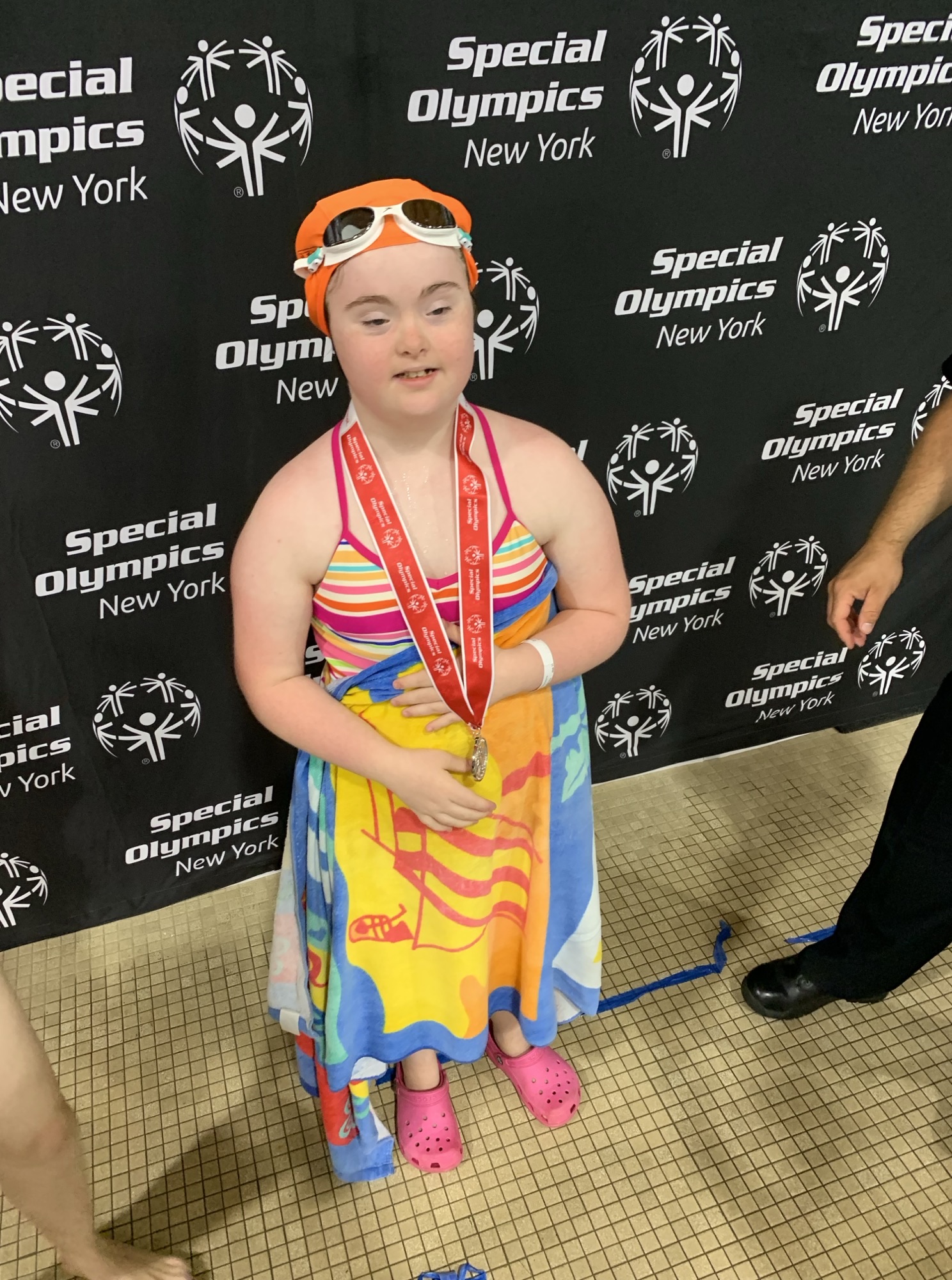



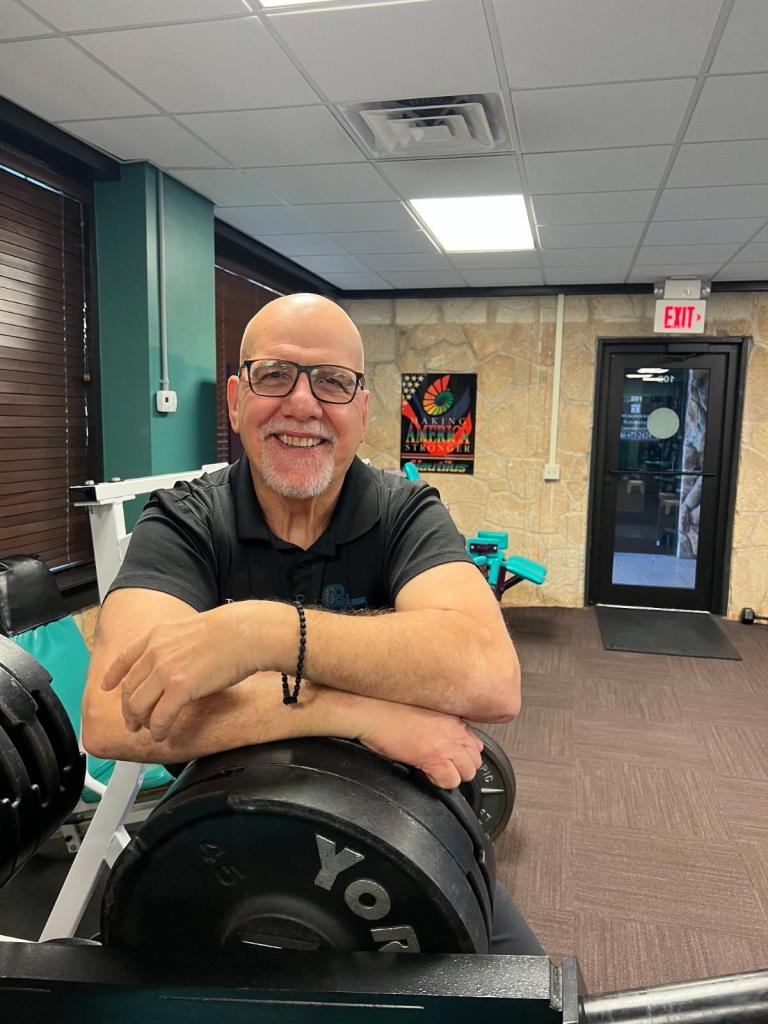

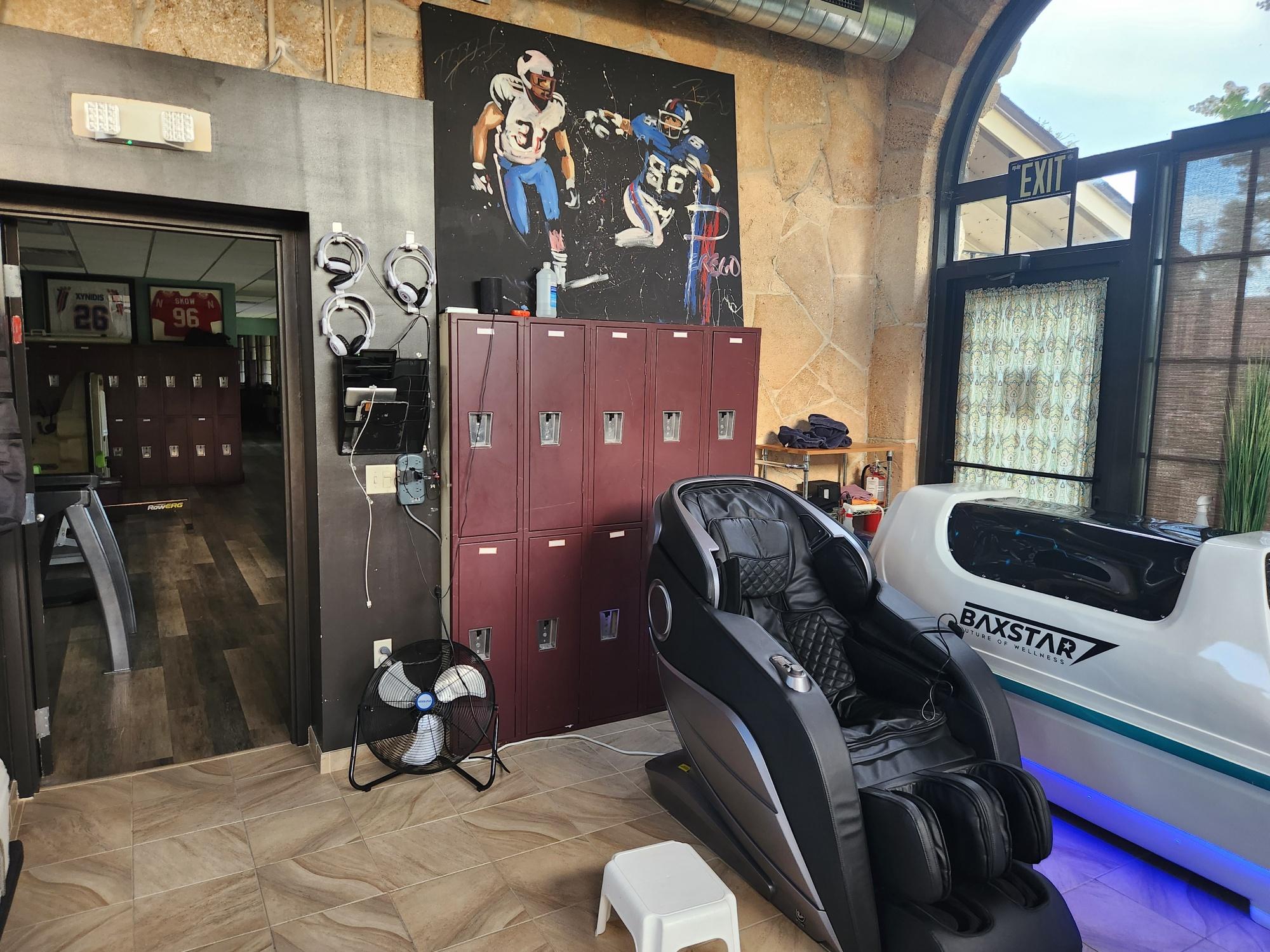



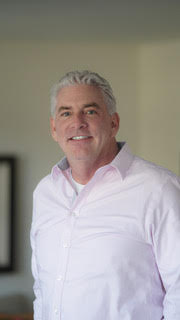
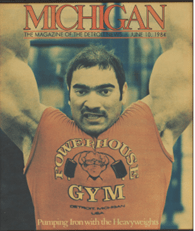
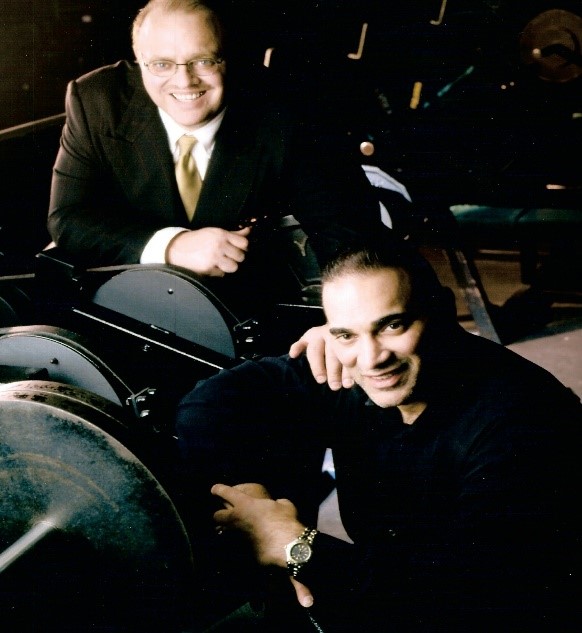
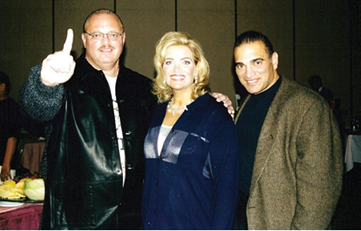




 Intro by John:


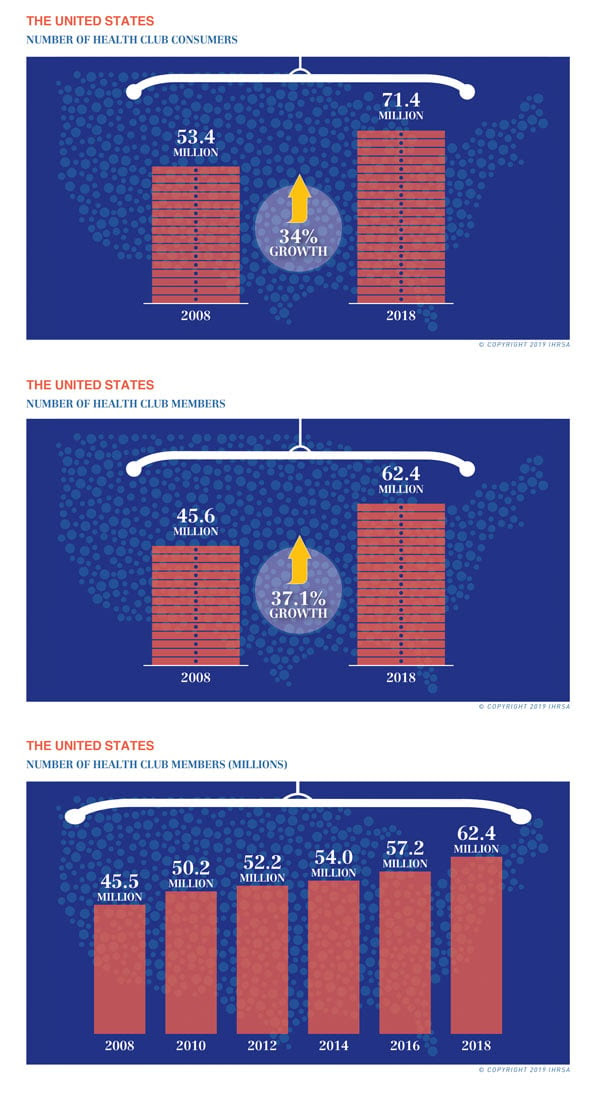




 John Mickelson's Soap Box